

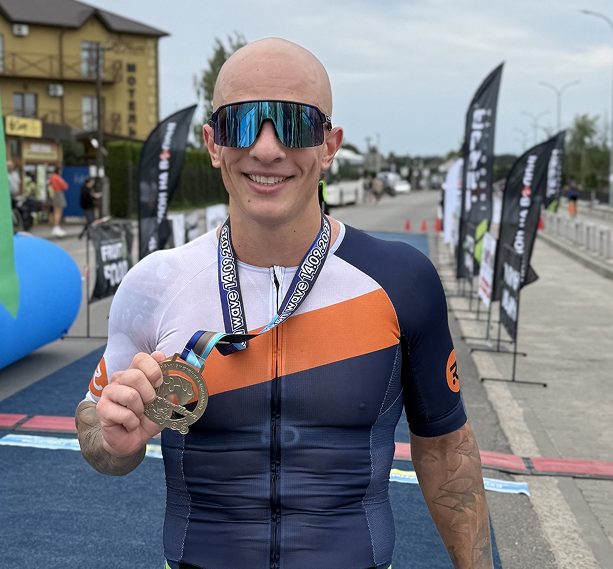
I came to Ironman 70.3 Kraków to see where my fitness was after my previous race, where I got my Kona slot. I left with a finish time of 4:18, 23rd place overall out of nearly 1,800 athletes, fifth in my age group, and a slot for the Ironman 70.3 World Championship.
The race, however, didn’t exactly start the way I’d planned.
The Swim and a Mistake That Cost Me Four Minutes
The swim took place in a flooded limestone quarry just outside Kraków, and it was unlike any venue I’ve raced before. The water was crystal clear, and the rock walls kept it almost completely calm. It felt more like swimming in a huge outdoor pool than in open water.
The course was small enough that hundreds of swimmers created their own current. It helped everyone move a little faster.
It turned into the fastest swim I’ve ever had.
Well, almost.
The final part of the swim followed a zigzag route around two buoys before the swim exit.
I rounded the first buoy, looked up, and couldn’t see the second one. Instead, I spotted a group of swimmers and assumed they were heading in the right direction.
They weren’t. By the time I realized what had happened, I had already reached the swim finish.
Someone on a boat shouted something at me in Polish. I could barely hear anything underwater as it was, and the language barrier didn’t help.
I surfaced at the finish arch, and officials gestured that I was out of the race. The penalty for missing the buoy turn is strict: either disqualification, or you swim back to the previous buoy and redo the turnaround correctly.
There wasn’t much to think about.
I turned around, swam the extra distance, and finished the course the right way. The mistake added about 300 meters to my swim and cost me roughly four minutes.
It wasn’t the start I wanted, but the race was far from over.
T1 and a Tough Bike Course
The first transition was brutal, with a serious elevation gain built into it. From the swim exit to the bike mount line, I had to cover about 1.1 km with plenty of climbing before I even got on the bike.
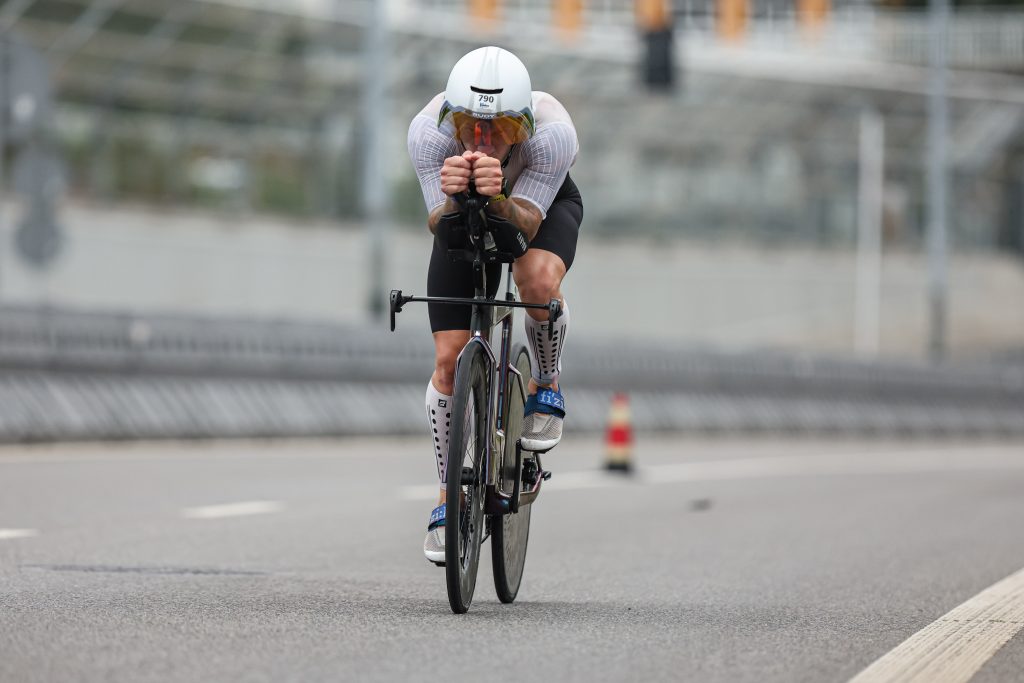
The bike leg covered 90 km with 900 meters of elevation gain. That’s a solid amount of climbing. It wasn’t a full mountain course, but the profile never let up: constantly up, down, up, down, with no real flat sections.
I finished the bike leg 4th in my age group out of roughly 600 competitors, and by my estimate, 60th overall (including pro athletes).
That overall number comes with a caveat, though: this race included about 30 male and 10 female pros, and they count toward the overall standings, which makes it hard to gauge exactly where that puts me among age-groupers.
Despite that, I had one of my best bike performances.
I averaged 39.2 km/h and set a new personal best for race power.
Holding On During the Run
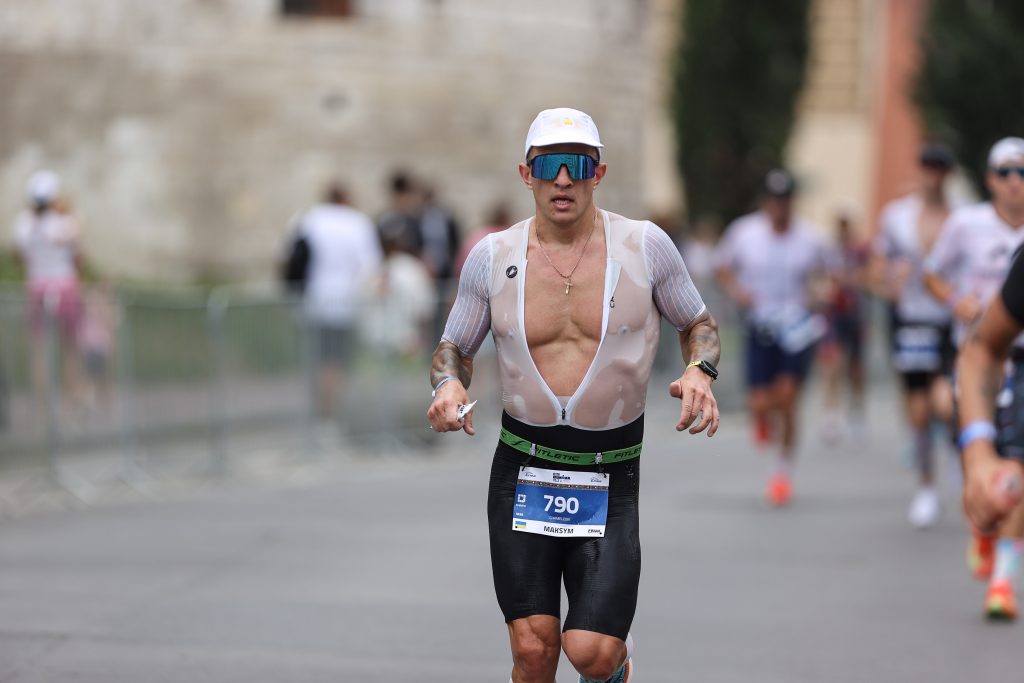
The run hit hard. I think I pushed too much on the bike, and my legs paid for it.
I wanted to run faster, but my legs weren’t there. After the swim mistake, I focused on holding my pace and protecting my position instead of chasing splits.
Sometimes racing is about sticking to the plan.
And sometimes it’s about adjusting the plan and getting the best result you can.
That’s what this run became.
My average pace was 3:56/km on my watch, while the official result came out to 3:59/km because the run course measured about 300–400 meters longer than advertised.
Two World Championship Slots
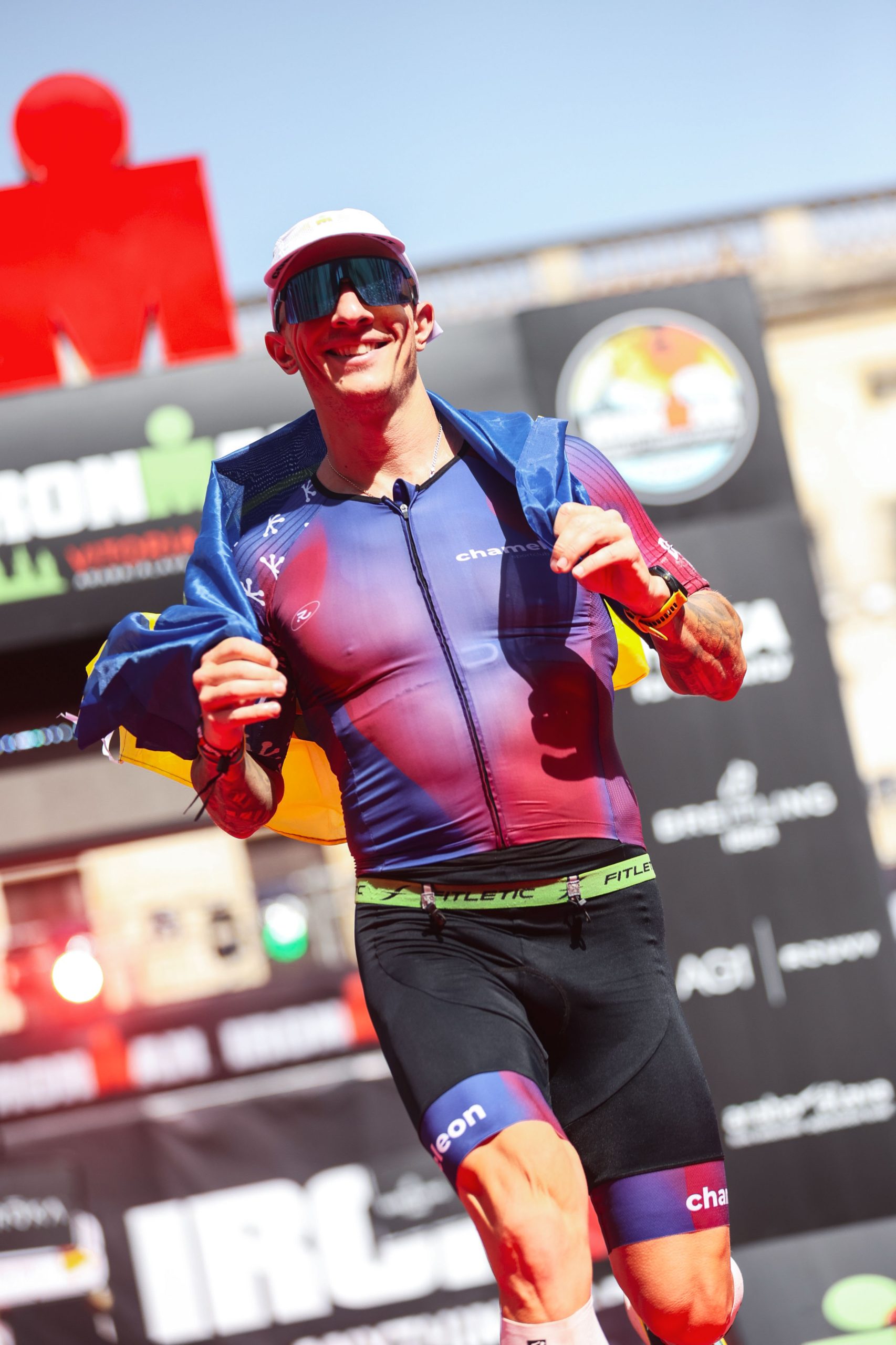
I crossed the line in 4:18 total, finishing 23rd overall out of 1,800 athletes and 5th in my age group. That earned me a slot for the Ironman 70.3 World Championship.
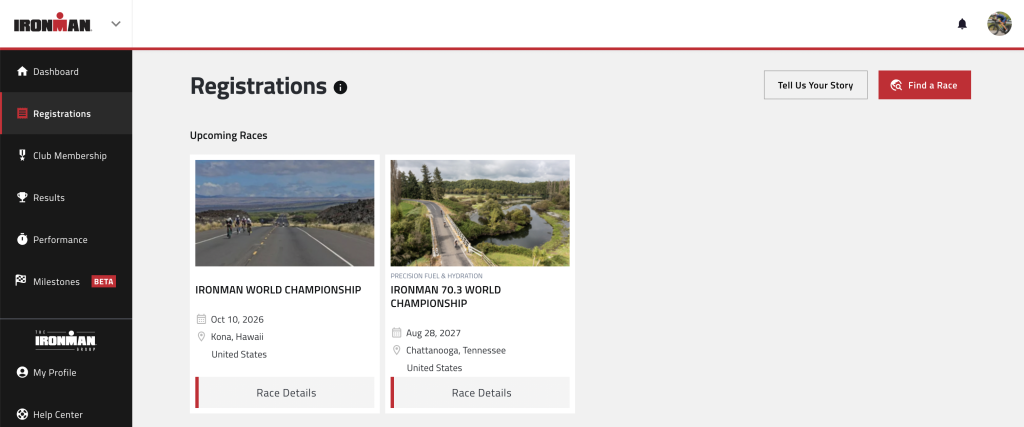
Three weeks earlier, I had already secured a slot for the Ironman World Championship.
Now I have both.
When I looked at my Ironman athlete profile after the race, both qualification badges were there.
Seeing those badges side by side was one of those moments that made all the training, and even those unexpected 300 extra meters in the water, feel worthwhile.
No race is perfect.
This one certainly wasn’t.
But sometimes the races that go wrong are the ones you’re proudest of when you cross the finish line.