

So you’re thinking about doing a triathlon? Trust me, there’s already enough confusing advice out there. If you’re looking for a triathlon training plan for beginners, the most important thing to understand is mainly about training with structure and consistency.
You’re looking at maybe 8-12 weeks of training, and honestly, it’s mostly juggling swimming, biking, and running without burning yourself out. This simple guide is a good starting point if you want to see how to build your training program as a beginner and fit your training sessions into your daily life.
By the end of this article, hopefully, it will be a little bit clearer to you how to build and follow your triathlon training schedule. Instead of copying advanced routines, you’ll have a practical framework for beginner triathlon training — something that won’t burn you out and gets you to that race day feeling ready (instead of terrified like I was).
What Is a Beginner Triathlon Training Plan?
Think of it as your game plan for tackling swim, bike, and run training for swim, bike, and run without overwhelming your body. It takes out all the ‘wait, what should I do today?’ moments by telling you exactly how many sessions to do each week, how long they should last, and how they progress over time. Rather than winging it each day, you’ve got a plan to stick to that helps you get stronger without burning out or getting hurt.
At the beginning, don’t worry about going fast or far. The main thing is just getting into a routine and sticking with it. The goal is to practice and develop basic endurance, improve technique, and get comfortable switching between disciplines.
A good starter plan should be a combination of all three sports on a regular basis. Plus, you’ll want to build in some rest days and keep the progression pretty straightforward. You’ll probably find most programs throw in some easy cardio days along with sessions where you’re really focusing on getting your form down.
You’ll also see short drills built into workouts, basic strength training or mobility work, and at least one rest day per week. Together, these elements help reduce injury risk and keep training sustainable.
Beginner plans typically prepare you for either:
- Sprint distance – 750m swim, 20km bike, 5km run (roughly 1-1.5 hours total)
- Olympic distance – 1.5km swim, 40km bike, 10km run (roughly 2-3 hours total)
If it’s your first triathlon ever, a sprint tri distance makes sense. You’ll still get the full experience of transitions, pacing three sports, and crossing a finish line — but the shorter duration reduces physical and mental strain.
How a Triathlon Training Plan for Beginners Is Structured
Most beginner triathlon training plans last between 8 and 12 weeks. This time frame gives your body enough space to adapt to three sports without rushing progress. Shorter plans often feel intense and leave little room for recovery, while longer plans can be hard to stay consistent with if you’re new.
An 8-week plan works well if you already train a little and just need structure. A 12-week plan is better if you’re starting from a lower fitness level or want more time to build confidence, especially in the swim.
How Many Hours per Week Should Beginners Train?
Beginner triathletes usually train between 4 and 7 hours per week. Early weeks often sit closer to the lower end, then gradually increase as your body adapts. This amount is enough to build endurance while still fitting around work, family, and recovery.
More hours don’t automatically mean better results. That’s the mistake triathletes make quite often. They just train as much as they can, hoping their body can adapt and they feel less exhausted.
It does’t always work like that. For beginners, training slightly less but more consistently leads to better fitness and fewer setbacks.
Most beginner plans include two swims, two bike sessions, and two to three runs per week. This frequency keeps each discipline fresh without overloading your schedule. Running is sometimes done more often because it adapts quickly, but volumes stay controlled to reduce injury risk.
A good plan includes at least one full rest day each week and lighter sessions after harder days. If you feel constantly tired, sore, or unmotivated, it’s often a sign you need more recovery, not more training.
Role of Discipline-Specific Drills in a Beginner Triathlon Training Plan
Here’s what I’ve learned coaching newbie triathletes: you’ll get way faster working on your form than just grinding out more miles. Bad form is an energy vampire, especially when you’re flailing around in the pool or pounding the pavement with terrible running mechanics. Get your technique dialed in early, because once you start ramping up the training volume, you want that efficiency already locked in.
That’s exactly why I always throw drills into beginner programs right from the start. These drills basically rewire your movement patterns, so when you’re doing those longer sessions later on, everything just clicks instead of feeling like a struggle.
Swim Training in a Beginner Triathlon Training
Most beginner plans include two swim sessions a week. This swimming frequency helps build comfort in the water without overwhelming you. Swimming is ridiculously technical, so you need to be in the water regularly: long sessions just aren’t as important as consistency.
For beginners who feel anxious or inefficient in the open water, it’s especially important to stick with a regular routine.
A typical beginner swim session starts with a gentle warm-up to get you relaxed and breathing easily. Then, there are short drill sets focusing on body position or stroke control. The main set is usually broken up into short intervals with plenty of rest in between.
They usually wrap the session with some easy swimming to cool down. That’ll usually take 30 to 45 minutes in total.
Bike Training in a Triathlon for Beginners
Beginner plans usually include two bike sessions per week. One is often longer and easy, while the other focuses on control or light intensity changes.
Biking builds aerobic fitness efficiently, so these sessions play a key role in overall endurance development.
Simple cycling drills help beginners ride more smoothly. You know, like short cadence changes or focus on single-leg drills done safely on a trainer.
These drills improve pedal control and cut down all that wasted effort on long rides.
Because biking feels a lot easier on the body, beginners can get a little too ambitious and do too much. Long rides without recovery can sneak up on you and add fatigue. So, make sure you go easy on yourself when it comes to bike rides.
Run Training in a Triathlon Training
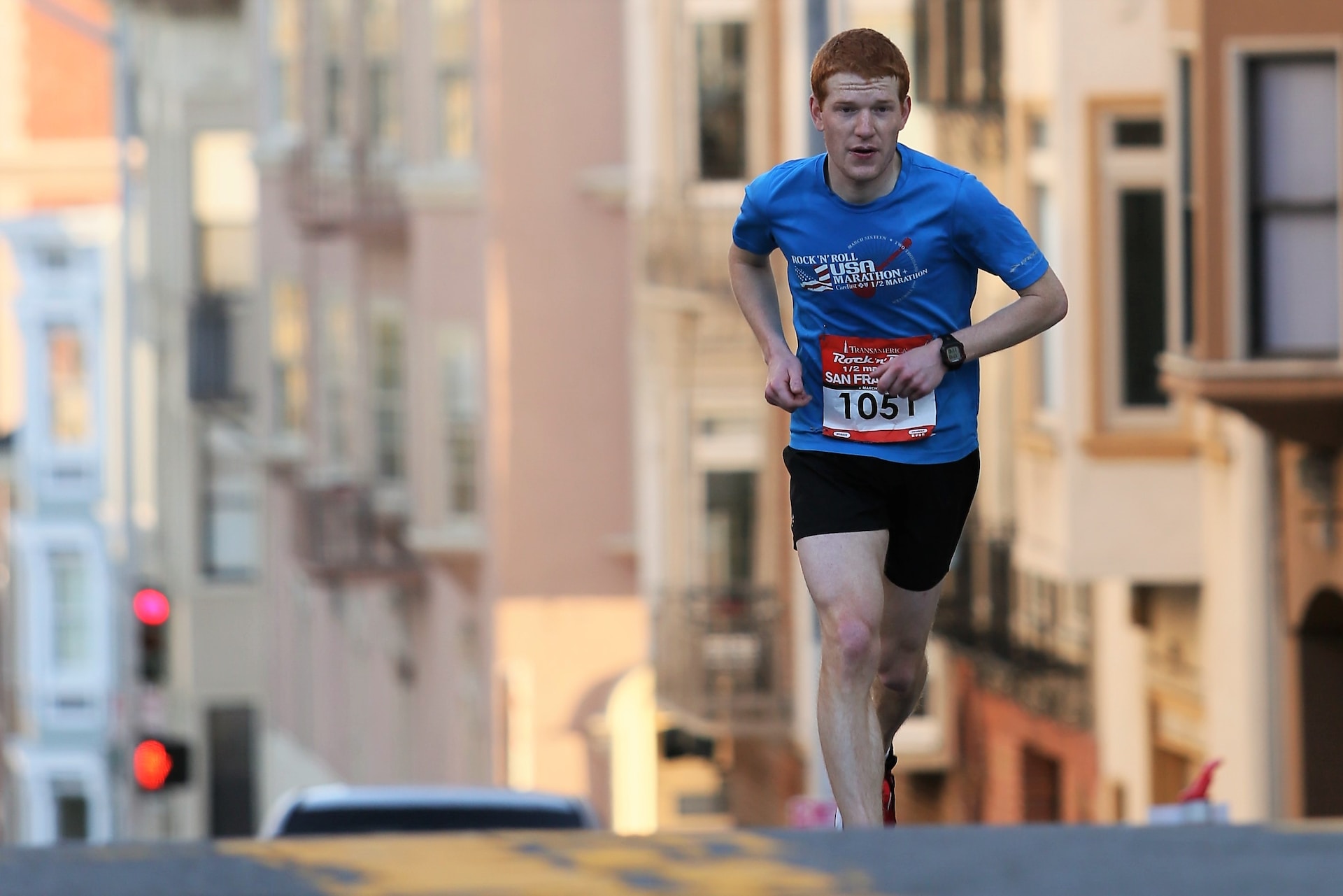
Most beginners run two to three times per week. Frequency matters more than long runs at this stage. Short, consistent runs help build durability.
Rest days between runs are important, especially for new runners.
Running drills teach posture, cadence, and coordination. Short strides or form-focused exercises help you maintain control even when tired.
These drills are usually added after warm-ups and kept brief.
Running injuries often come from doing too much too soon. Beginner plans increase run volume slowly and keep most runs easy.
Good running shoes, proper warm-ups, and rest days all play a role in staying healthy.
Brick runs combine biking followed immediately by running. They teach your body how to transition between disciplines.
Beginner plans usually introduce short brick runs later in the program, once basic endurance is established.
Essential Gear for Beginner Triathletes
You don’t need expensive equipment to train for your first triathlon. Here’s what actually matters:
For swimming:
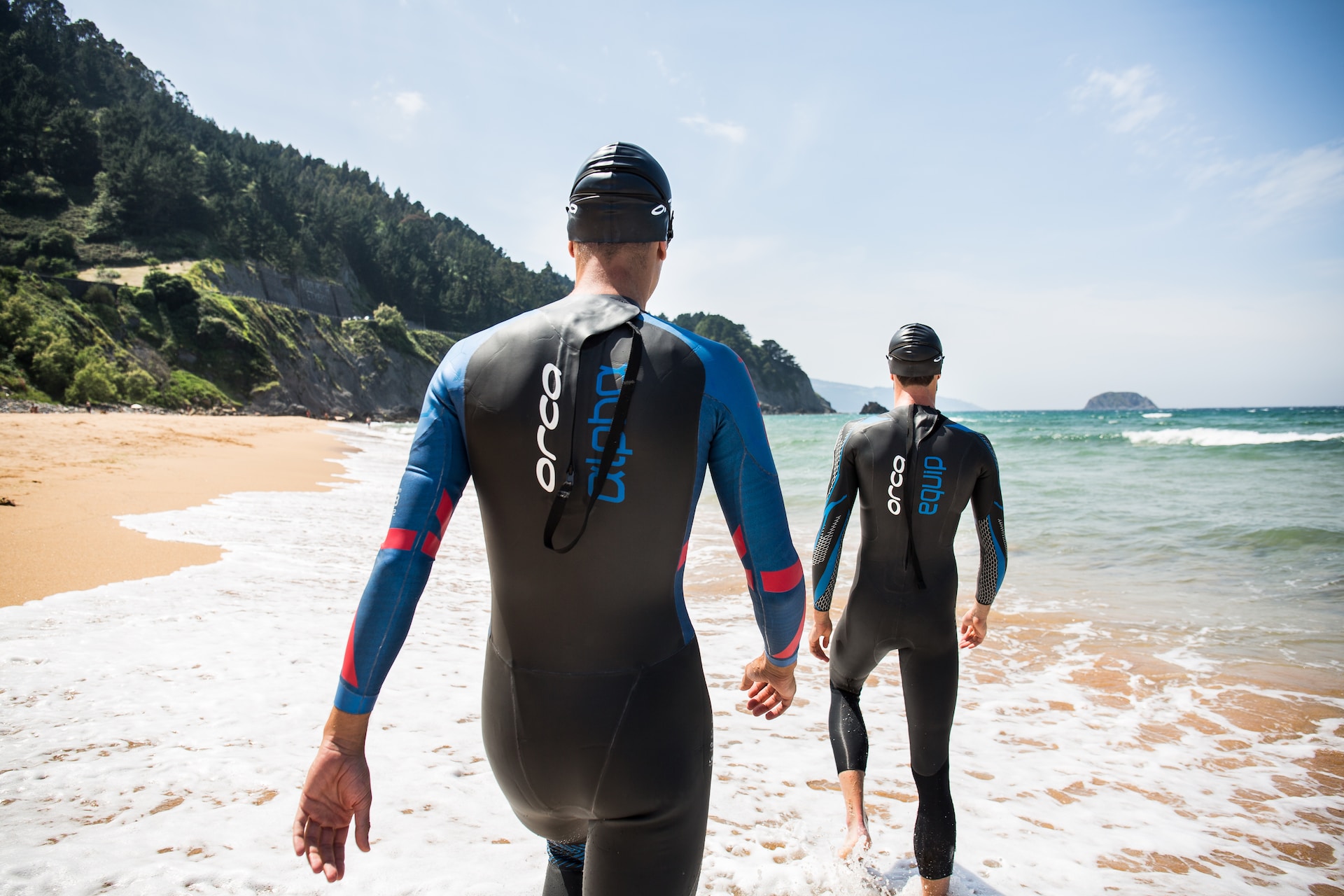
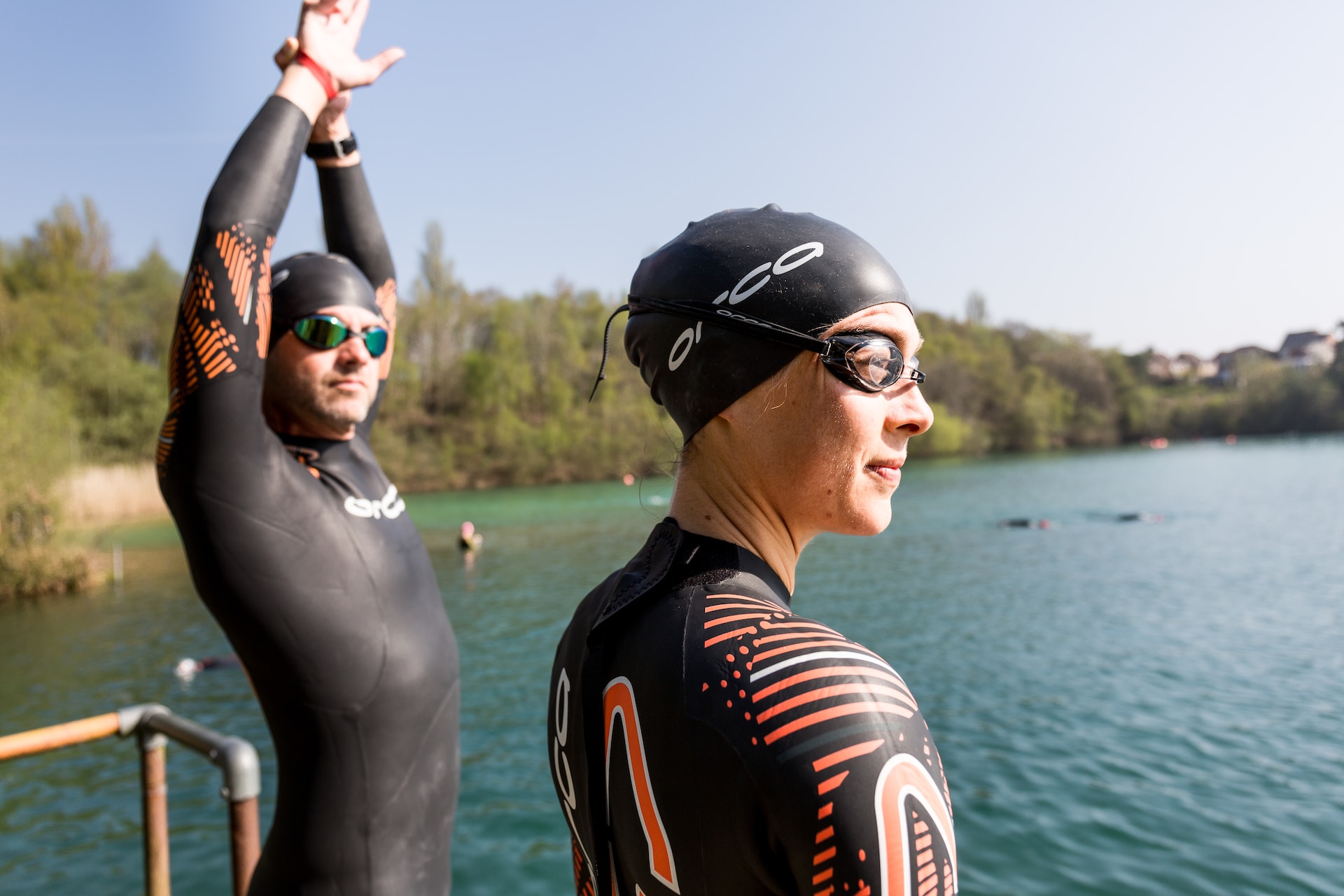
- Swimsuit (standard suit for pool training, consider a wetsuit if your race is in open water)
- Goggles that fit comfortably and don’t leak
- Swim cap (most pools require one)
- Optional: pull buoy and kickboard for drills
For cycling:
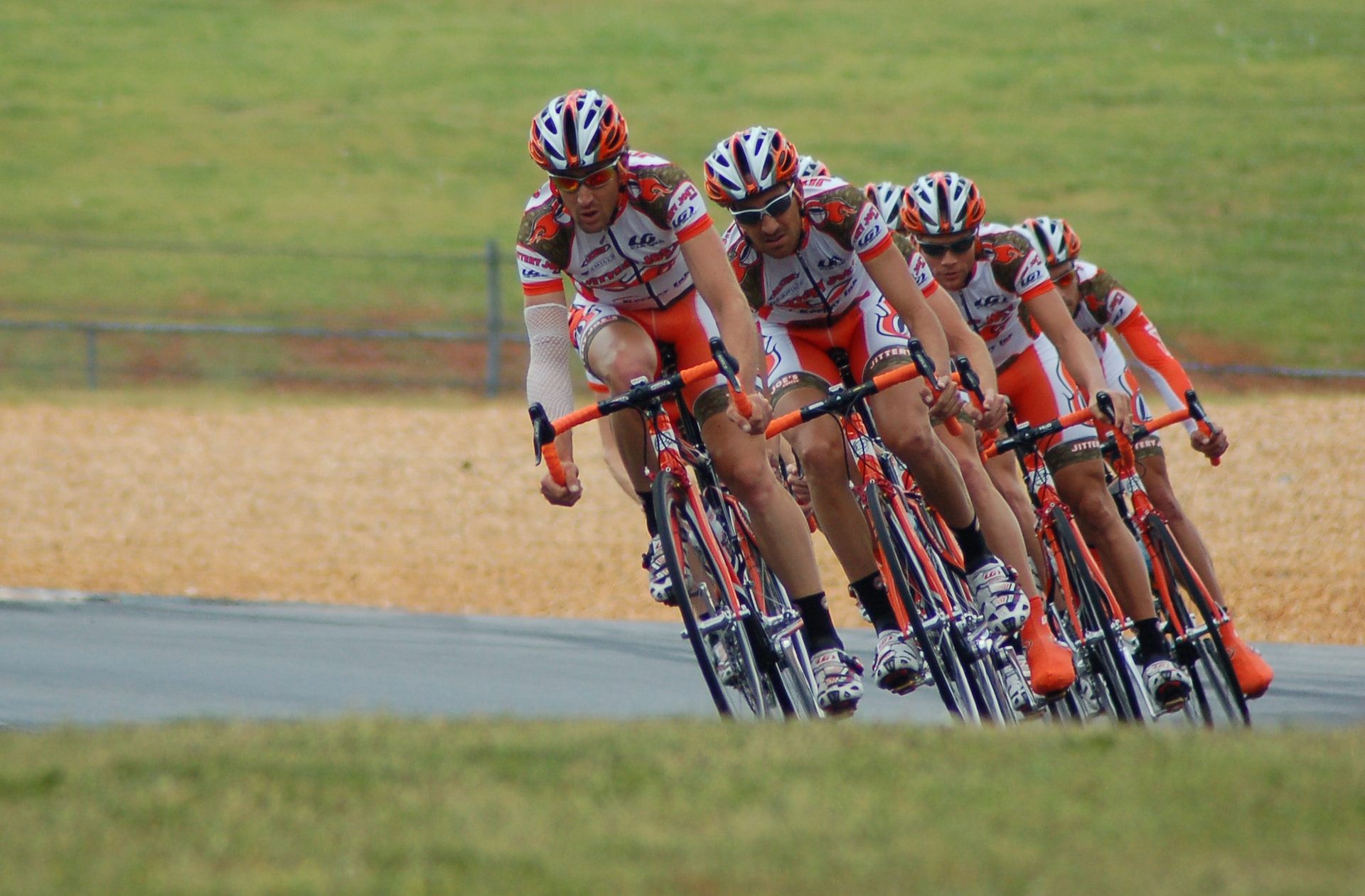
- A bike that fits you reasonably well (road bike, hybrid, or even a mountain bike works for your first race)
- Helmet (non-negotiable for safety)
- Water bottles and cages
- Basic flat tire repair kit (spare tube, tire levers, pump or CO2)
- Padded cycling shorts (regular underwear under cycling shorts causes chafing)
- Optional: cycling shoes and clipless pedals
For running:
- Proper running shoes fitted at a running store
- Moisture-wicking socks (never cotton)
- Comfortable running clothes
- Optional: running belt or armband for phone/keys
For race day:
- Tri suit or comfortable athletic clothes you can swim, bike, and run in
- Race belt for your bib number
- Elastic laces for quick shoe transitions
- Small towel for transition area
- Sunglasses
- Nutrition (gels, bars, or whatever you’ve practiced with in training)
What you don’t need yet:
- Aero wheels or expensive carbon bikes
- Power meters or advanced cycling computers
- Compression gear or recovery boots
- Fancy GPS watches (your phone works fine for tracking)
How to Balance the Three Disciplines as a Beginner
Juggling three sports might seem crazy, but honestly? The basic idea’s pretty simple: just don’t go overboard with any one thing while making sure you’re decent at all three.
When I was starting out, my head coach told me that most newbie plans just look at the general fitness. Basically, how much time you’ll spend in each sport during the race, plus which ones are gonna beat you up the most.
Swimming usually gets the short end of the stick time-wise since it’s easier on your body and, let’s face it, you’re only in the water for like 20% of most races anyway.
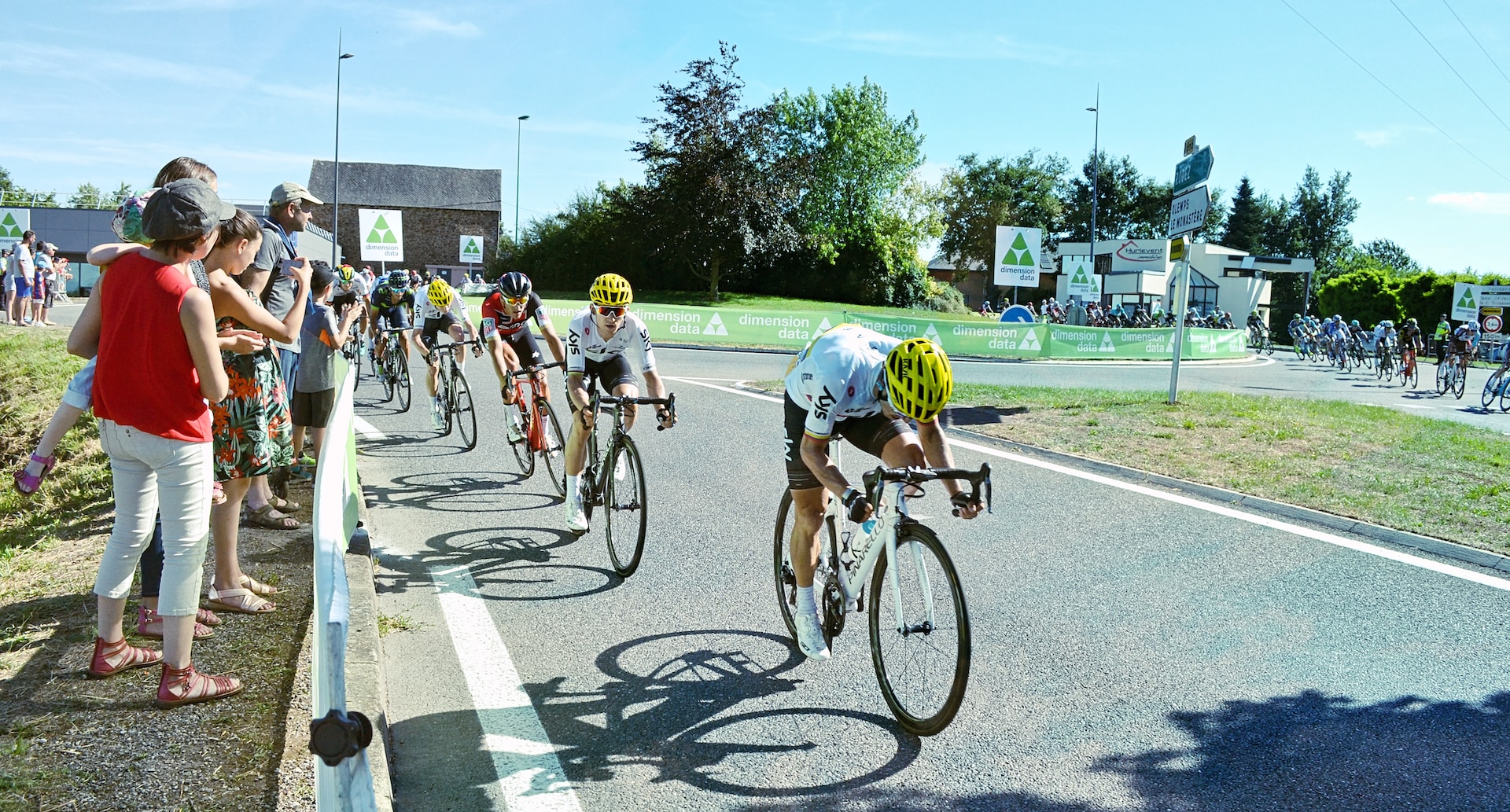
Biking tends to eat up most of your training hours, so you can hammer out 3-4 hour rides without your knees screaming at you like they would after a long run.
Running’s the tricky middle child: you’ve gotta put in the miles, or you’ll suffer on race day, but too much and you’ll be nursing shin splints or suffer from runner’s knee pain.
A typical weekly balance might look like:
- Swim – 20-25% of total training time
- Bike – 40-45% of total training time
- Run – 30-35% of total training time
For example, in a 6-hour training week, you might swim for 90 minutes total, bike for 150 minutes, and run for 120 minutes. This isn’t a rigid formula, but it gives you a sense of how the disciplines fit together.
Example Beginner Training Week With Drills Included
Here’s what a complete week might look like in week 6 of a 12-week plan:
Monday – Swim (45 minutes)
- 300m warm-up
- 400m drills (catch-up, side-kick, breathing)
- 800m main set (100m intervals with 20 sec rest)
- 200m cool-down
Tuesday – Bike (50 minutes)
- 10-minute warm-up
- 30 minutes steady riding with 3 x 3-minute high-cadence intervals
- 10-minute cool-down
Wednesday – Run (35 minutes)
- 5-minute walk
- 5 minutes dynamic drills
- 25-minute easy run
Thursday – Swim (40 minutes)
- 200m warm-up
- 300m drills (finger-drag, rhythm work)
- 600m main set (steady swimming)
- 200m cool-down
Friday – Rest
Saturday – Brick (90 minutes total)
- 60-minute bike at moderate effort
- Quick transition
- 20-minute run off the bike
- 10-minute cool-down walk
Sunday – Run (50 minutes)
- 5-minute walk and drills
- 45-minute easy long run with 4 strides at the end
Total weekly training time: About 5.5 hours spread across 6 sessions with one complete rest day.
Notice how drills appear in most sessions but don’t dominate the workout. They’re tools to improve efficiency, not the main focus of training.
Beginner plans keep most training at a comfortable, conversational pace. This is often called “Zone 2” or “easy” effort — you should be able to talk in full sentences while training. Here’s more about training zones for triathletes.
The breakdown typically looks like:
- 80-85% easy effort – Comfortable pace where you’re building aerobic base
- 10-15% moderate effort – Slightly challenging but sustainable
- 5% hard effort – Only occasional intensity, usually in short bursts
For example, a beginner bike session might be 60 minutes at easy pace with three 2-minute pickups at moderate effort. You’re not hammering intervals or racing yourself every session. The hard work comes from consistency and volume, not from going all-out.
Studies on endurance training repeatedly show that beginners who train mostly at easy intensities build fitness faster and stay healthier than those who push hard every session. Your heart rate shouldn’t spike during most workouts. If you finish most sessions feeling like you could do a bit more, you’re doing it right.
Adjusting the Plan to Your Fitness Level
Training plans are templates, not commandments. You need to adjust based on how your body responds. Here’s how to personalize your plan:
If workouts feel too easy:
- Add 5-10 minutes to your longer sessions
- Include one additional moderate-effort interval
- Consider moving to a 10-week plan instead of 12-week if you’re already fit
If workouts feel too hard:
- Reduce session duration by 10-15%
- Take an extra rest day each week
- Extend to a 12-week plan instead of 8-week to spread the training load
- Replace one harder session with an easy recovery session
If life gets busy:
- Prioritize frequency over duration (three 30-minute sessions beat one 90-minute session)
- Protect your long weekend session — this builds the most endurance
- Skip brick workouts before skipping individual swim/bike/run sessions
For example, maybe your plan calls for a 90-minute bike ride, but you only have 60 minutes. Do the 60-minute ride rather than skipping it entirely. Or if you’re traveling for work and miss three days of training, don’t try to cram all the missed workouts into the weekend. Just resume your plan and accept that you’ll have slightly less volume that week.
Conclusion: Build Your First Triathlon Training Plan the Smart Way
A good beginner tri plan shouldn’t make you want to quit after week one. You need structure, sure, but not so much that you’re drowning in workouts. You’re not trying to become an Ironman or Kona-qualified here.
Just show up, get better at open water swimming, biking, and running, and don’t panic when the Sunday race day comes around. Find a plan that actually lets you rest (your body needs it!), gradually builds up your swim-bike-run fitness, and throws in some technique work. You’ll see that you actually enjoy crossing that finish line on a big day instead of just being grateful the suffering is done.
Think of your training plan like a GPS for your fitness journey. But here’s the thing: you actually have to follow the directions. Keep it simple at first, don’t skip too many workouts, and have faith that the training will pay off. First race day has a way of working out if you’ve done the work.