


You’ve signed up for your first triathlon, and now someone’s telling you to think about electrolytes. And it makes you think: are they actually necessary, or just another thing the industry wants you to buy?
My honest answer is that it depends on your race distance, the weather, and how long you’ll be moving. But once you understand the basics, the decision becomes straightforward.
This guide covers everything a beginner triathlete needs to know about electrolytes, along with some practical tips on when and how to consume electrolytes.
Key points of the article:
- Whether you need electrolytes depends on your race distance, how long you’ll be moving, and the weather.
- Sodium is the most important electrolyte for triathletes, and losing too much leads to cramping and fatigue, even if you’ve been drinking water.
- 300–500mg of sodium per hour is a good starting point for most beginners in normal conditions.
- The bike leg is your main chance to take electrolytes (you can’t fuel during the swim, and the run is too late to fix a deficit).
- Always test your electrolyte products in training.
- A sprint in cool weather and an Olympic distance race in summer heat are two very different situations, and your electrolyte intake plan should reflect that.
Do You Need Electrolyte Supplements for Your First Triathlon?
The short answer: probably yes, but not always in the form of a supplement.
For a sprint triathlon in cool weather, lasting around just a little more than an hour, your body can often manage with normal pre-race nutrition and plain water during the race. The effort is short enough that electrolyte loss doesn’t reach a critical level for most people.
But when we are talking about an Olympic distance race, especially in summer heat, this is a completely different situation.
You’re moving for 2–2.5 hours and sweating consistently. During this time, your sodium and potassium levels will drop enough to affect your optimal performance.
The good news is that getting this right doesn’t require expensive testing. For beginners, a simple hydration calculator and even observation with small adjustments will work just fine.
In fact, the amount is not as important as timing, but we’ll get to that later.
First, it helps to understand what electrolytes do inside your body when you race.
What Electrolytes Do to Your Muscles and Why It Matters in a Triathlon
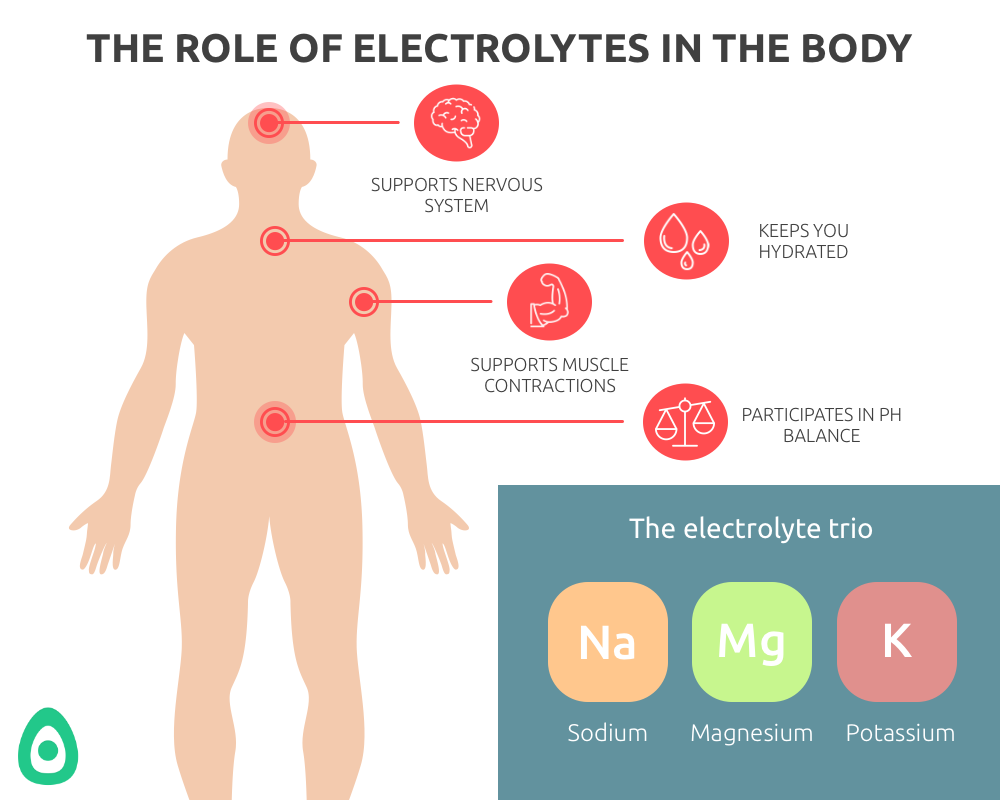
Put simply, electrolytes are minerals that carry an electrical charge and help your muscles and nerves function properly. When you sweat, you lose them. And if levels drop too far, our body starts to struggle.
For beginner triathletes, two electrolytes matter most:
- Sodium is the one to pay closest attention to. It regulates fluid balance, helps your muscles contract, and keeps your nerve signals firing correctly. It’s also what you lose most of through sweat loss. When sodium drops, performance drops with it.
- Potassium works closely with sodium to control muscle contractions and heart rhythm. Low potassium often shows up as muscle weakness or cramping, particularly in the legs. That’s exactly where you don’t want it during a run.
Two others worth knowing about, without overthinking them:
- Magnesium supports muscle relaxation and energy production. Some athletes find it helpful for reducing cramps, particularly when taken consistently in the days before a race.
- Calcium plays a role in muscle contraction and bone health. For most triathletes who eat a balanced diet, it’s rarely a race-day concern.
The key takeaway here is simple: when you sweat, you’re losing both water and minerals your muscles need to keep working. Drinking plain water replaces the fluid but not the electrolytes, and that gap is where things can go wrong.
What This Looks Like in Practice: An Olympic Distance Example
Meet Alex. He’s 34, reasonably fit, and racing his first Olympic distance triathlon in July. Race temperature is forecast at 27°C. His estimated finish time is around 2 hours and 45 minutes.
Here’s exactly what he carries and when he uses it:
- Night before: Normal dinner (pasta with a tomato-based sauce and water). No special loading, just consistent hydration through the evening.
- Race morning: Porridge with a banana, 2.5 hours before the start. One electrolyte tablet dissolved in 500ml of water alongside breakfast.
- 30 minutes before swim: Another 200–300ml of plain water. Nothing else, because his stomach needs to be settled for the swim.
- T1: Alex picks up his pre-mixed electrolyte bottle from his bike — 750ml of water with one tablet dissolved (approx 300mg sodium). He starts sipping within the first few minutes of the ride.
- Halfway through the bike: He takes one electrolyte capsule from his back pocket with a few sips of plain water. Total sodium so far: approximately 500–600mg.
- T2: He tucks a single capsule into his race suit pocket before heading out on the run.
- Early run (km 2): He takes the capsule with water at the first aid station.
Alex finishes without cramping, having taken in roughly 700–800mg of sodium across the race — well within the sensible range for a 2.5+ hour effort in warm conditions.
This is a solid starting point, but it’s not a perfect nutrition plan for a summer race. He’ll adjust after the race based on how he feels. That’s exactly how an electrolyte strategy should develop.
Electrolyte Imbalances: Cramps, Brain Fog, and Fading on the Run
Electrolyte imbalance doesn’t always announce itself clearly, especially when you’re mid-race and focused on moving forward.
Here are the most common signs a beginner might notice:
- Muscle cramping when running, particularly in the calves, hamstrings, or quads.
- Fatigue that feels disproportionate to the heavier legs than your effort level should produce.
- Brain fog or difficulty focusing, harder to pace yourself, make decisions, or stay motivated.
- Nausea, especially in the second half of an Olympic distance race.
One thing to keep in mind, though, is that dehydration and electrolyte imbalance are not the same thing.
Many beginners assume that if they’re cramping or feeling off, they just didn’t drink enough water. Sometimes that’s true. But it’s possible to maintain hydration and still have an electrolyte problem. That happens because you replaced the fluid without replacing the minerals. If you drank consistently all race but still cramp on the run, low sodium is often the real reason.
A word on hyponatremia
Hyponatremia means dangerously low blood sodium. It’s rare in short-distance triathlons but worth understanding.
Hyponatremia typically happens when athletes drink large amounts of plain water over a long period without replacing sodium, diluting what’s left in the bloodstream. Symptoms include bloating, confusion, and, in severe cases, disorientation. It’s uncommon, but overdrinking plain water is more dangerous than most beginners realize.
⚠ Stop and seek help if you experience: severe disorientation, inability to walk straight, vomiting that won’t stop, or sudden and intense muscle weakness. These go beyond normal race fatigue and need medical attention.
How Much Sodium and Electrolytes Do You Need for a Triathlon?
A practical rule of thumb: 300–500mg of sodium per hour in moderate conditions. That range covers most beginner athletes at most race distances. In hotter weather or if you’re a heavy sweater, you’ll want to sit toward the higher end.
Here’s how that translates across race formats:
| Race distance | Typical duration (Age Group) | Electrolyte priority | Simple starting point |
|---|---|---|---|
| Super Sprint | Under 1 hour | Very low | Pre-race only |
| Sprint | 90 min+ | Low–moderate | Pre-race + one serving on the bike |
| Olympic | 2.5–3 hours | Moderate–high | Pre-race + bike fueling + run top-up |
| Half Ironman (70.3) | 5–7 hours | High | Pre-race + regular fueling every 45 min on bike + run top-up every 30 min |
| Ironman | 12–14 hours (avg) | Very high | Dedicated, personalized electrolyte strategy required |
How heat changes the electrolyte balance equation
When race temperature climbs above 25°C / 77°F, your sweat rate increases significantly, and so does your sodium loss.
In hot conditions, bump your intake toward the higher end of that 300–500mg range and consider adding an extra serving if you’re racing Olympic distance. You don’t need to calculate precisely. If you’re sweating heavily and the race is long, take more.
Do you need sweat testing to estimate electrolyte intake?
No, not at this stage. Sweat testing exists and can be useful for experienced athletes chasing marginal gains. For your first triathlon, simple observation works fine.
Pay attention to how you feel during training races and long sessions, and adjust based on what you notice.
When to Take Electrolytes During the Triathlon Race
Triathlon is unique compared to single-sport events. Three disciplines, two transitions, and very different fueling opportunities in each segment. Understanding when you can take electrolytes is just as important as knowing how much.
A simple race-day timing script
- Night before: Eat sodium-containing foods normally. Don’t oversalt, just don’t avoid it. Stay well hydrated.
- Morning of race: Take a light electrolyte drink alongside breakfast, 2–3 hours before the start.
- T1 (start of bike): First electrolyte serving — tablet, capsule, or mixed bottle.
- Mid-bike (Olympic only): Second serving if your race will exceed 90 minutes total.
- T2 / early run (Olympic only): Optional top-up, particularly in heat.
Which Electrolyte Format Works Best on a Race Day?
Walk into any sports nutrition store, and the options are overwhelming. The goal here isn’t to find the perfect product — it’s to find something practical that works for you before race day arrives.
The four main formats
- Tablets dissolve in water and are easy to carry without measuring anything. For beginners, this is often the most practical starting point — simple, portable, and consistent in dosing.
- Powders are versatile and work well in training when you have time to mix them properly. On race day, they add a step that’s easy to get wrong under pressure. Fine for preparation, less ideal for racing.
- Capsules are popular among triathletes for good reason. No taste, no mixing, easy to swallow on the bike. If your stomach handles them well in training, they’re a strong race-day option.
- Sports drinks combine fluid and electrolytes in one, which sounds convenient — and sometimes is. The catch is that many are high in sugar and lower in sodium than you actually need. Always check the label before relying on one as your main electrolyte source.
The most important rule
Never try a new product on race morning. Test everything in training, ideally during sessions that simulate race conditions — similar duration, similar exercise intensity, similar heat. Your gut needs familiarity as much as your legs do.
| Format | Best for | Watch out for |
|---|---|---|
| Tablets | Race day simplicity | Dissolving time in cold water |
| Powders | Training sessions | Measuring accuracy on race day |
| Capsules | Racing, no taste preference | Swallowing while breathing hard |
| Sports drinks | Combined fluid + electrolytes | High sugar, low sodium content |
Why Electrolyte Products Cause Stomach Issues and How to Prevent Them
Most electrolyte products are well-tolerated when used correctly. Problems usually come from one of three things: taking a product your stomach hasn’t encountered before, consuming it in too concentrated a form, or combining it with high-sugar drinks or gels at the same time. The stress of racing also slows digestion, which means your gut is more sensitive than it is during a relaxed training session.
Three practical ways to avoid it:
- Train with your race products. Use the exact same brand, format, and timing in at least two or three training sessions before race day. Your gut adapts, but it needs exposure first.
- Always take electrolytes with adequate fluid. A capsule washed down with one small sip isn’t enough. Give your stomach the fluid it needs to process what you’ve taken.
- Avoid high-sugar drinks on an empty or stressed stomach. If you’re already taking a gel or sugary sports drink, adding a high-sugar electrolyte product on top creates a concentration your gut may reject — particularly on the run.
The reassuring part is that most athletes find their gut tolerance improves significantly over a season of consistent training. What causes problems in your first few long sessions rarely causes the same problems six months later.
FAQs
Can I just eat salty foods instead of supplements to maintain balance?
For a sprint triathlon in cool conditions, possibly yes. For Olympic distance or hot weather racing, relying on food alone becomes a risky strategy, and replenishing electrolytes through supplements gives you far more reliability.
Will sports drinks cover my electrolyte needs?
Sometimes, but not always. Many popular sports drinks contain sugary calories and artificial sweeteners, with sodium content that’s lower than what endurance athletes actually need per hour. Check the label, and if a sports drink contains less than 200mg of sodium per serving, it’s not doing much electrolyte work.
Maintaining electrolyte balance through a sports drink alone often falls short because fluid and electrolyte balance requires more sodium than most commercial drinks provide. Used alongside a proper electrolyte product, sports drinks can be useful. Used as a replacement, they frequently don’t cover what you’ve lost.
Why did I cramp if I drank plenty of water?
Muscle cramps during a race are often less about fluid intake and more about electrolyte imbalances that develop when sodium and potassium aren’t replaced alongside just water. If you drank consistently but didn’t replace the electrolytes lost through sweat, your electrolyte levels actually dropped as your fluid volume increased, which can accelerate cramping rather than prevent it. Proper fluid balance is about what that fluid contains. Optimal hydration means replacing both water and the key electrolytes your muscles depend on for proper muscle function and nerve function.
Is it possible to take too many electrolytes?
Yes, though it’s uncommon in a standard triathlon. High electrolyte intake (particularly sodium) can affect blood pressure and cause bloating or increased thirst. People with existing high blood pressure should be especially mindful of their electrolyte intake and consult a doctor if unsure.
For most healthy beginners, the health risk is taking too little. Staying within the 300–500mg sodium per hour range supports proper fluid balance without putting unnecessary strain on the body. An adequate hydration plan accounts for both fluid loss and electrolyte replacement in equal measure.
What’s the difference between electrolyte tablets and salt tablets?
For endurance sports, taking electrolyte supplements in tablet form gives you more complete coverage than salt tablets alone, since bodily fluids contain a range of essential minerals, not just sodium. In a pinch, salt tablets are better than nothing, but for athletes training and racing consistently, electrolyte tablets are the more practical and effective choice.
Key Electrolyte Takeaways for Athletic Performance
Electrolytes don’t have to be complicated. For most beginner triathletes, the gap between struggling on the run and finishing strong often comes down to a few simple decisions made before and during the race.
You don’t need a lab test or a precise formula. You need a basic understanding of what your body loses when you sweat, a practical plan that fits your race distance, and enough training runs with your chosen products to know they work for you.
Here’s what to take away from this guide:
- Sprint triathlon in cool conditions: pre-race prep and one serving on the bike is a solid starting point
- Olympic distance or hot weather: plan for consistent electrolyte intake across the bike and into the run
- Never try anything new on race day: test your products in training first
- Cramping after drinking plenty of water: the cause is often an electrolyte imbalance, not dehydration
- 300–500mg sodium per hour: a reliable baseline for most beginners in moderate conditions
Your first triathlon will teach you things no article can. Pay attention to how your body responds, adjust after each race and training block, and your instincts will sharpen quickly.
And if you are looking for more triathlon training tools, resources, and workout plans – join TriWorldHub. We’ve got everything you need to get to the start line prepared and leave the finish line satisfied.