
You’re standing at the edge of something incredible. Maybe you’ve watched a triathlon on TV, or a friend finished their first race and won’t stop talking about it. Now you’re wondering: what does it actually cost to do a triathlon?
The honest answer? It depends on how deep you want to dive. But here’s the good news: you don’t need to spend thousands of dollars to cross your first finish line. This triathlon budget guide breaks down exactly what you’ll spend and where you can save without sacrificing your experience.
And if you are looking for inspiration, check out this personal story about the first Ironman triathlon race, how it went, and lessons learned.
How Much Is a Triathlon? Quick Answer for Beginners
If you’re looking for the bottom line, here it is: expect to spend anywhere from $500 to $2,000+ for your first triathlon when you factor in race registration, essential gear, and basic training costs. That’s a wide range, and where you land depends entirely on what you already own and the choices you make along the way.
Average Cost of a First Sprint or Olympic Triathlon
Sprint and Olympic distance triathlons are where most beginners start, and they’re the most budget-friendly entry point into the sport.
For 2024-2025, you’ll find sprint triathlons ranging from budget-friendly local events at around $65 to more prestigious races approaching $150 per race entry. Olympic distance races typically start around $80 and can climb to $200 or more for championship events. Some races even charge up to $1,000 for premium experiences with added amenities.
Don’t forget about the USA Triathlon membership fee. If you’re racing in the U.S., you’ll need either:
- One-day license (Bronze): $13 for sprint/super-sprint, $18 for Olympic distance
- Annual Silver membership: $60 (unlimited races)
If you plan to do more than 3-4 Olympic races or 4-5 sprint races in a year, the annual membership saves you money.
Cost of First Ironman and Longer-Distance Races
Ready to go big? Long-distance registration fees are a significantly larger financial commitment.
Race entry fees:
- Ironman 70.3 (half-distance): $260-$450+
- Full Ironman: $700-$950+
Ironman races use tiered pricing, meaning the earlier you register, the less you pay. The least expensive 70.3 races in 2025 start around $260, while full-distance Ironman events begin around $700 and can exceed $900 depending on the venue and when you register.
For these distances, you’ll also need:
- USA Triathlon one-day license: $23 for half and full Ironman distances
- Travel costs: Often $500-$2,000+ for hotels, flights, and meals
- Additional gear: Nutrition products, more expensive bikes, upgraded components
Key Factors That Influence Triathlon Costs
Not all triathlon races are created equal in terms of cost. Here’s what drives the price up or down:
- Race distance and prestige: Ironman world championship events and branded races cost significantly more than local races
- When you register: Early bird pricing can save you $50-$150 on a single race
- Location: Destination races require travel, lodging, and time off work
- What you already own: Have your own bike? That’s $500-$3,000 you don’t need to spend
- New vs. used gear: Buying used can cut your equipment costs in half
- Optional add-ons: Coaching, fancy gear, race photos, and recovery tools add up fast
Triathlon Cost Breakdown: Where Your Money Goes
Here’s how a typical beginner’s spending breaks down across the three disciplines.
Swim Gear Costs for Your First Triathlon
The swim segment of a triathlon requires some specific gear. Despite that, swimming is considered the most budget-friendly leg of a triathlon. You can get everything you need for under $200, or as little as $50 if you’re really thrifty.
Essential swim gear:
- Swimsuit/tri suit: $30-$120
- Goggles: $15-$40
- Swim cap: $5-$15 (often included with race registration)
- Wetsuit (if needed): $0-$400
Total swim costs: $50-$575
The wetsuit is your biggest decision here. Many races allow wetsuits when water temperatures are below 78°F, and they provide buoyancy that can shave minutes off your swim time. But if you’re doing a pool swim or warm-water race, you can skip it entirely.
Bike Gear: Your Biggest Triathlon Investment
The bike leg is where most triathletes spend the bulk of their budget. A quality bike alone can cost anywhere from a few hundred to several thousand dollars.
Essential bike gear:
- Bike (road or tri bike): $500-$4,000+
- Helmet: $40-$150
- Cycling shoes: $60-$200
- Pedals: $30-$150
- Bike shorts/tri suit: $40-$120
- Water bottles and cages: $15-$40
- Basic tools and spare tubes: $30-$60
Total bike costs: $715-$4,720+
Here’s the reality: entry-level triathlon bikes start around $2,500-$3,000 new. Quality road bikes (which work perfectly for your first few triathlons) start around $1,500-$2,000. But you can also find excellent used bikes for $500-$1,200 that will serve you well for years.
Many beginners start with the bike they already own, or borrow one from a friend. There’s no shame in this. Your first race is about finishing, not about having the fanciest equipment.
Running Gear: The Most Budget-Friendly Category
Running requires the least specialized equipment, making it the cheapest discipline to outfit yourself for.
Essential running gear:
- Running shoes: $80-$160
- Running socks: $10-$25
- Running shorts/outfit: $25-$80 (may double as bike gear)
Total running costs: $115-$265
If you already run, you probably own everything you need for this leg. Just make sure your chosen running shoes have adequate mileage left (most running shoes last 300-500 miles).
Optional Gadgets and Nice-to-Have Accessories
This is where costs can spiral if you’re not careful. These items enhance your experience but aren’t essential for race day.
Popular add-ons:
- GPS watch/smartwatch: $150-$600
- Heart rate monitor: $40-$100
- Bike computer: $100-$400
- Indoor trainer: $200-$1,500
- Race belt: $10-$25
- Sunglasses for running: $20-$300
- Transition mat: $20-$50
- Nutrition products: $30-$100
- Coaching/training plans: $50-$300/month
Total optional costs: $0-$3,000+
A GPS triathlon watch is the one “optional” item most triathletes consider essential. It helps you track training, pace yourself during the race, and monitor your progress. Everything else? Nice to have, but not necessary.
Triathlon Gear Costs in Detail
Let’s dig deeper into the specific gear you’ll need for each discipline and what you should expect to pay.
Swim Gear Essentials (Swimsuit, Goggles, Wetsuit)
The first one is a swimsuit. Your most affordable option is a standard racing swimsuit ($30-$60). Better yet, invest in a tri suit ($70-$200) that you can wear for all three legs of the race, eliminating the need for changing clothes in transition.
Then, you’ll need goggles. Don’t skimp here, because poor-fitting goggles will fog up, leak, and ruin your swim. Expect to spend $20-$40 for a quality pair designed for open water swimming. Look for goggles with polarized or tinted lenses to help with sun glare.
Wetsuits are your biggest swim expense, but they’re also optional depending on your race and water conditions.
- Budget wetsuits: $150-$275 (Zone3 Agile, TYR Cat 1, Blueseventy Sprint)
- Mid-range wetsuits: $300-$400 (Sumarpo Vanguard, ROKA Maverick)
- Premium wetsuits: $500-$700+ (Zone3 Vanquish X, Terraprene Vision)
Entry-level wetsuits in the $200-$300 range offer excellent buoyancy and flexibility for beginners. The premium features of expensive suits (thinner neoprene, advanced coatings, better flexibility) matter more as you become a stronger swimmer.
Can you skip the wetsuit? Absolutely. If your race is in a pool or warm water where wetsuits aren’t allowed, save money. You can also rent wetsuits from many race venues or local triathlon shops for $40-$75.
Bike, Helmet, and Cycling Kit Costs
This deserves its own deep dive because it’s your largest single expense.
Budget option – Use what you have: Any bike works for your first triathlon. Seriously. Mountain bikes, hybrid bikes, that old ten-speed in your garage — they’ll all get you across the finish line. Cost: $0
A smart beginner option is a quality used road bike. This is the sweet spot for most new triathletes. A used road bike from a reputable brand (Trek, Specialized, Giant, Cannondale) with decent components (Shimano 105 or equivalent) costs $500-$1,200. This gives you a legitimate race bike without the new-bike premium.
A quality entry-level road bike starts around $1,500-$2,000. These bikes are versatile. You can use them for training rides, group rides, commuting, and racing. Popular beginner options include the Trek Domane AL 3, Giant Contend, and Specialized Allez.
And then there are purpose-built triathlon bikes that start around $2,500-$3,500 new. Models like the Felt IA Advanced 105 ($3,699), Canyon Speedmax, and Cervélo P-Series offer aerodynamic benefits at entry-level prices. However, most experts recommend starting with a road bike and upgrading later if you fall in love with the sport.
A used tri bike is an excellent deal in the used market. You can find entry-level tri bikes from 2-5 years ago for $1,000-$2,000, offering 80% of the performance at 40% of the price.
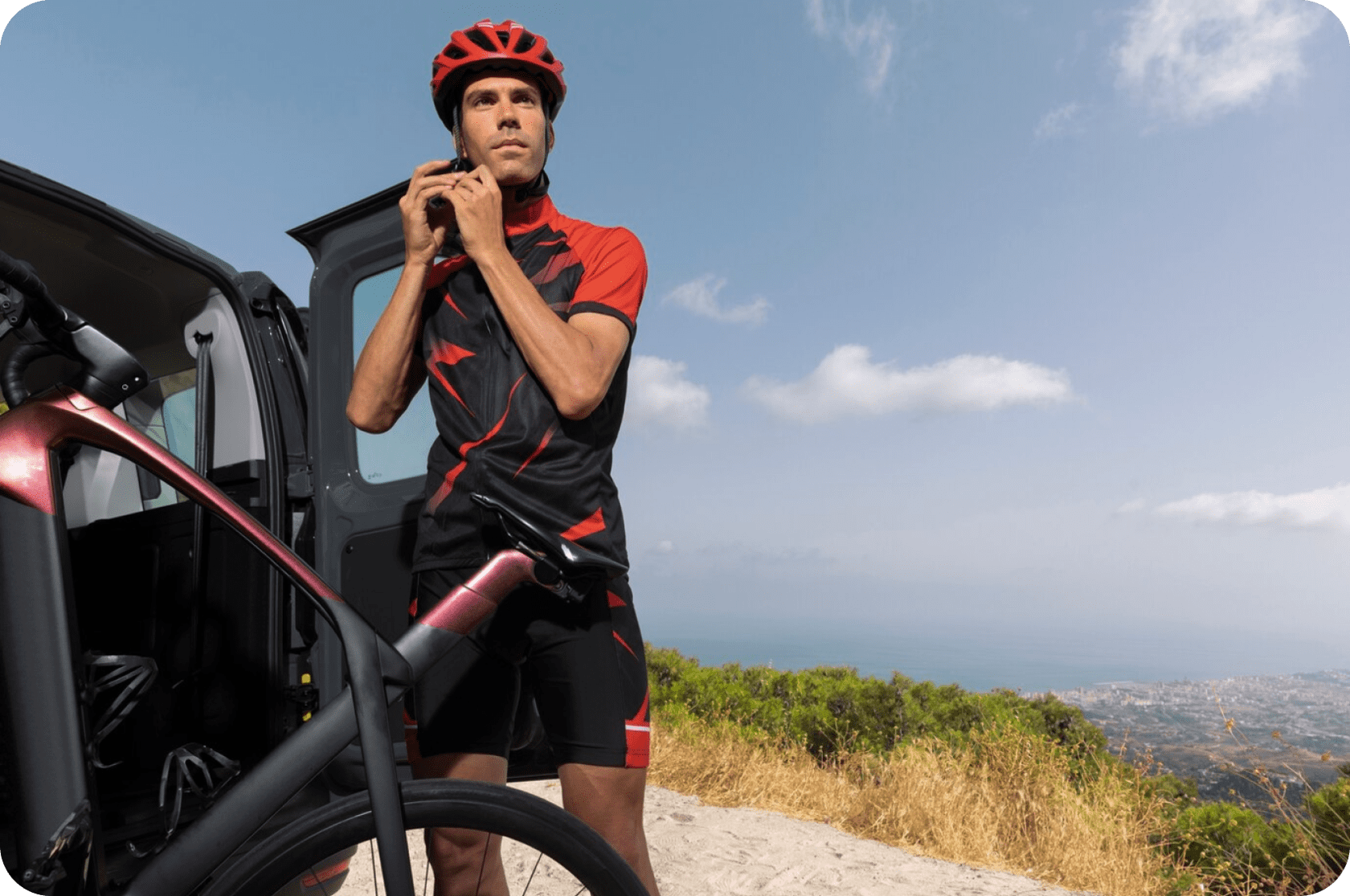
Other necessary cycling equipment includes a helmet (mandatory in most races), cycling shoes, and pedals.
It’s worth noting that bike maintenance is an ongoing cost to consider.
Regular tune-ups, replacement of worn-out parts, tire replacements, and potential repairs all add to the total cost of bike ownership.
A bike helmet is a non-negotiable bike fit requirement for every triathlon. Budget $40-$80 for a basic road cycling helmet that meets safety standards. Aero helmets ($150-$400) are for later—they provide minimal benefit for beginners. If you are looking for a bike helmet, check this guide on how to choose a cycling helmet.
Cycling shoes and pedals are also essential. Entry-level cycling shoes cost $60-$120, and clipless pedals run $30-$150. This combo improves pedaling efficiency by 5-10%, but you can start with regular sneakers and flat pedals if your budget is tight. Just know you’ll eventually want to upgrade.
Then, there is a cycling kit. Padded cycling shorts ($40-$90) make long rides much more comfortable. You can wear them under running shorts or invest in a tri suit that serves double duty.
Running Shoes, Socks, and Apparel
Invest in a good pair of running shoes ($80-$160) from a specialty running store. Get fitted by an expert who can analyze your gait. Your feet will thank you, especially after running off the bike (known as “brick training”).
Popular beginner models include the Brooks Ghost, ASICS Gel-Nimbus, Nike Pegasus, and Hoka Clifton. Replace them every 300-500 miles.
Quality moisture-wicking running socks cost $10-$25 per pair. Buy at least two pairs so you always have clean ones for training.
If you have a tri suit, you’re set. Otherwise, running shorts and a technical t-shirt work perfectly. Expect to spend $25-$80 total if you’re starting from scratch.
Buying Used vs. New Gear: What’s Safe to Save On
Smart shopping can cut your costs in half. Here’s what’s safe to buy used and what you should always buy new.
Always buy new:
- Helmets. Safety equipment should never be compromised. A helmet that’s been in a crash may have invisible damage.
- Running shoes. Used shoes have worn down to someone else’s gait pattern, which can cause injury.
- Goggles. For hygiene and fit reasons, buy these new.
- Tri suits/swimsuits. Hygiene and proper fit matter here.
Great to buy used:
- Bikes. This is where you save the most. Just have a bike shop inspect any used bike before buying ($40-$75 inspection pre-race fee is worth it).
- Wetsuits. As long as there are no tears and the fit is right, used wetsuits work perfectly. Check eBay, Facebook Marketplace, and triathlon forums.
- Cycling shoes. If they’re gently used and fit well, save $30-$50 here.
- Bike accessories. Pedals, water bottle cages, bike computers, and tools hold up well used.
- GPS watches. Previous-generation watches offer 90% of the features at 50% of the price.
Where to find used triathlon-specific gear:
- Local triathlon clubs often have gear swaps
- Facebook Marketplace and Craigslist
- Slowtwitch.com forum classifieds
- eBay
- Play It Again Sports and similar sporting goods resale shops
- Local bike shops sometimes sell trade-ins
Training Costs
Training for triathlon events can involve various costs, but it’s possible to manage them effectively.
Here are some considerations for managing training costs:
1. Coaching
Coaching is a high cost to consider.
A professional coach can provide a tailored training plan, advice on technique, and strategies for race day.
Costs for triathlon coaches vary widely, from around $100 per month for online coaching services to $500 or more for personalized, one-on-one coaching.
If this is too steep, consider self-coaching using the multitude of free or low-cost resources available online.
There are also many useful books that every triathlete should read.
2. Club Memberships and Facilities
To train effectively, you may need access to certain facilities.
Gym membership, which provides access to strength training equipment and often indoor pools, varies by location and level of luxury, but expect to pay around $30-$100 per month.
If swimming in open water isn’t an option, a pool membership will be necessary to work on those swim laps.
3. Nutrition
Proper nutrition planning is an integral part of triathlon training.
This includes daily meals, pre-workout, and post-workout nutrition, as well as nutrition during workouts for longer sessions.
A well-balanced diet tailored to support your training load can increase your performance and aid in recovery.
Depending on your existing diet, this may increase your regular grocery bill.
Spending money on supplements, sports drinks, and energy gels should also be considered.
Race Fees and Travel
Whether it is a sprint race, or a full Ironman, race fees and travel expenses are significant considerations when budgeting for a triathlon.
1. Race Registration Fees
Race entry fees vary significantly depending on the race distance, location, and organizer.
A local sprint triathlon might cost as little as $50, while a full Ironman race can cost up to $750 or more.
It’s also worth noting that popular races can sell out quickly, so early registration is recommended not only to secure a spot but also to take advantage of early bird pricing, if available.
2. Travel and Accommodation
Unless you’re lucky enough to live near a triathlon venue, travel costs will need to be factored into your budget.
This could include fuel for driving to the event or potentially even flights for more distant races.
Accommodation costs will also be a factor for multi-day events or races that are far from home.
Consider your rent affordability to find a suitable property.
You may also want to think about the cost of meals while traveling.
Choosing local races, carpooling, and sharing accommodation with fellow racers are all good strategies to reduce these costs.
Other Spendings to Consider
These are a few more important things to take into account when budgeting your triathlon:
Race Day Nutrition and Hydration
On race day, you will need to have a nutrition and hydration plan.
This will likely involve energy gels, bars, chews, sports drinks, or electrolyte tablets.
These are additional costs that can add up, particularly as you will likely want to test your race-day nutrition strategy during your training.

Maintenance and Replacement Costs
All sports equipment wears down over time and will eventually need to be replaced.
Running shoes, for instance, should be replaced every 300-500 miles.
Bike tires also wear down and should be replaced when you start to see signs of wear or cracking.
Feel free to explore this travel checklist for athletes for some additional tips.
Is the Cost of a Triathlon Worth It?
Let’s be real: triathlon events aren’t cheap. Even if you’re frugal, you’re looking at several hundred dollars minimum on triathlon expenses. So the question becomes: is it worth it?
The return on investment in triathlon goes way beyond the medal you’ll receive at the finish line. Here’s what you’re really buying:
Physical transformation
Triathlon training touches every system in your body. You’ll build cardiovascular endurance, strength, flexibility, and resilience.
Most beginners say that triathlon training helps lose weight, sleep better, and have more energy in daily life. Training for three disciplines works better than any gym membership.
Mental toughness
There’s something profound about doing something you previously thought impossible. Every training session where you push through discomfort, every brick workout that tests your resolve, every early morning when you’d rather sleep — these moments build mental strength that translates to every area of your life.
Community and friendships
The triathlon community is famously welcoming. From your first open water swim to transition practice to race day itself, you’ll meet supportive people who remember what it was like to be a beginner.
Many triathletes say the friendships are worth more than the race itself. And that’s one of the key points why we’ve created TriWorldHub: the sense of community for coaches and athletes. Join now and see for yourself.
Goal achievement and confidence
Setting a big goal, training for months, and crossing that finish line creates a confidence that spreads to your career, relationships, and other challenges. You’ll catch yourself thinking, If I can do a triathlon, I can do this too.
Better work-life balance
Ironically, adding training time to your schedule often improves time management. You’ll prioritize better, waste less time on unimportant things, and protect your training time fiercely. And this teaches you to protect other important commitments too. By the way, here we share some tips on how to train for an Ironman when having a full-time job.
Lifelong sport
Unlike high-impact sports that age you out, triathlon is for life. There are competitive age groups up to 80+, and you can modify distances and training as you age. It’s a lifelong athletic journey.
Final Tips for Managing Triathlon Costs for Beginners
Ready to take the plunge without drowning in debt? Here’s your game plan for doing a triathlon on a budget:
1. Start with what you have
Take inventory before buying anything. Do you have a bike? Running shoes? A swimsuit? Use them. You don’t need specialized gear to start training or even to finish your first race.
2. Set a realistic total budget
Decide upfront what you’re willing to spend. A reasonable first-year budget is $800-$1,500 if you’re buying most gear used, or $1,500-$2,500 if buying mostly new. Stick to this number and prioritize accordingly.
3. Prioritize the race registration
Sign up for your race first. This creates commitment and a deadline. Everything else is just preparation for that date. Plus, early registration often saves $50-$150.
4. Buy used strategically
Your biggest savings come from used bikes and wetsuits. Join local triathlon groups on Facebook and check Slowtwitch.com’s classified section regularly. Be patient, and you’ll find great deals.
5. Rent before buying
Many shops rent wetsuits and even bikes. If you’re not sure you’ll stick with triathlon, rent for your first race ($40-$75 for a wetsuit, $100-$200 for a bike). This gives you time to decide if you want to invest more.
6. Look for last year’s models
When new bike and gear models are released (usually in the spring), last year’s models go on sale for 20-40% off. They’re functionally identical but cost significantly less.
7. Buy once, cry once (for key items)
While budget is important, buying quality items that last is smarter than buying cheap gear twice. This especially applies to bikes, wetsuits, and running shoes. Mid-range quality often offers the best value.
8. Join a triathlon club
Club memberships ($50-$150/year) often include:
- Group training sessions (saving on coaching)
- Gear swaps and discounts
- Race discounts
- Advice from experienced triathletes. The connections and knowledge alone are worth the membership fee.
9. Skip the gadgets initially
You don’t need a $500 GPS watch, $1,200 indoor trainer, or $300 power meter for your first triathlon. A basic fitness watch ($50-$150) and your phone’s training apps will serve you fine until you’re sure you want to continue in the sport.
10. Take advantage of free resources
YouTube has thousands of free training videos, swimming technique tips, and bike maintenance tutorials. Free training plans exist online. Your library probably has books on triathlon training. Use these before paying for coaching or premium apps.
11. Plan for gradual upgrades
Think of your triathlon investment as a multi-year journey. Buy the essentials now, then upgrade one item per year as budget allows. This year: a used bike and basic gear. For future races in the next year: perhaps a better wetsuit. Year three: Maybe upgrade the bike components or buy a tri bike.
The Bottom Line on the Cost of First Triathlon
Yes, a triathlon can be expensive. But it can also be surprisingly affordable if you’re strategic. Beginners can complete their first sprint triathlon for $500-$800 total (including race registration and minimal gear purchases). Olympic distance might run $800-$1,500. Even a half-Ironman is doable for under $2,000 if you already have a decent bike.
Thousands of people do their first triathlon every year on modest budgets. They use borrowed bikes, last year’s running shoes, and swimsuits they already owned. They finish, they smile, and many of them come back for more.
Your first triathlon doesn’t require a fortune. It requires commitment, training, and the courage to start. The rest is just details. Yes, important details, but still just details.