


The way you breathe while running actually matters a lot. Not in a complicated, overthink-everything way, but in a “small tweak, big difference” kind of way.
Once I started being more intentional about it, runs that used to leave me gasping started feeling more controlled and even enjoyable.
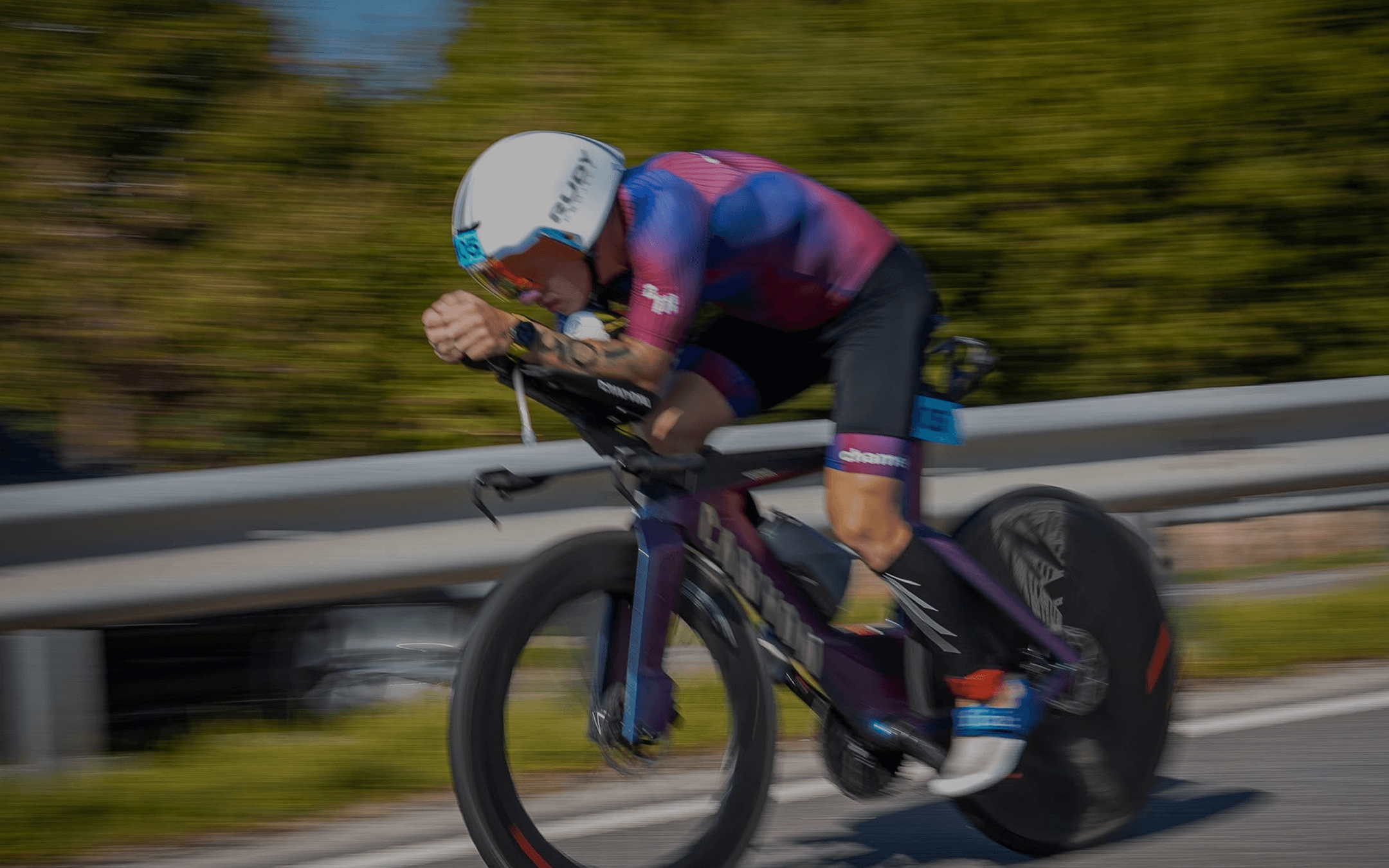
For triathletes especially, this is worth paying attention to. By the time you hit the run leg in a triathlon, your lungs have already been working hard through the swim and the bike. If you don’t have good breathing habits locked in, that third discipline can unravel fast.
In this guide, we’re going to walk through the techniques like belly breathing, rhythmic patterns, nose vs. mouth, and drills you can practice. Nothing overly technical, just useful additions to your existing exercise routine.
Breathing Basics for Runners: Deep Breaths and Lung Capacity
A lot of runners breathe shallowly without even realizing it: short, chest-level breaths that never really fill the lungs. This breathing feels almost fine at easy paces, but the moment intensity goes up, you start running a deficit.
A deep breath, in running terms, means breathing in a way that actually uses your full lung capacity: expanding your belly first, then your chest, pulling air all the way down into the lower lobes of the lungs where most of your oxygen exchange actually happens.
Why does that matter?
Your lungs don’t absorb oxygen equally throughout. The lower portions have more blood flow, which means more surface area for oxygen to pass into your bloodstream. Shallow chest breathing mostly fills the upper part and misses the most efficient zone entirely.
Here’s a simple way to think about it:
| Breathing type | Where air goes | Oxygen efficiency |
|---|---|---|
| Shallow (chest) | Upper lungs | Lower |
| Deep (diaphragmatic) | Full lungs, lower lobes | Higher |
Lung capacity itself is fairly fixed in adults. You can’t dramatically increase the size of your lungs. But what you can train is how well you use the capacity you already have.
Studies on respiratory muscle training show that runners who practice controlled breathing use less energy on the act of breathing itself. This style leaves more oxygen available for the muscles doing the actual work.
A quick self-check to see if you are a swallow breather:
- Place one hand on your chest, one on your belly.
- Take a normal breath the way you usually would
- Which hand moves first?
If it’s the chest hand, you’re a shallow breather, and that’s completely normal for most people. The good news is it’s very fixable, and the next section is exactly where we start.
Belly Breathing (Diaphragmatic Breathing) Practice
Diaphragmatic breathing is the foundation of everything else in this guide. Once it clicks, all the other techniques start making more sense.
The diaphragm is a dome-shaped muscle sitting just below your lungs.
When it contracts properly, it pulls air deep into the lungs rather than just puffing up your chest.

Most of us never consciously use it, especially under effort. Here’s how you can practice breathing with your belly:
Step 1: Learn it lying down first
This is genuinely the easiest way to feel it working:
- Lie on your back, knees bent, one hand on your chest, one on your belly.
- Breathe in slowly through your nose for 4 counts.
- Your belly hand should rise first, and your chest hand should barely move.
- Exhale slowly through your mouth for 4–6 counts, feeling your belly fall.
- Repeat for 5–10 minutes.
It might feel strange at first. That’s normal. You’re retraining a habit your body has had for years.
Step 2: Take it to a jog
Once lying-down breathing feels natural, try it moving:
- Start at a very easy jog, slower than you think you need to go.
- Focus on pushing your belly out on the inhale, not lifting your shoulders.
- Keep your shoulders relaxed and low.
- If you lose the feeling, slow down or walk until you find it again.
A useful cue: imagine you’re breathing into your lower back, not your chest. It sounds odd, but it helps a lot of runners find the right sensation.
Don’t rush this. Trying to belly breathe during a hard interval before it’s automatic will just add stress. Build the habit slowly, and it becomes effortless.
Rhythmic Breathing Patterns for Running
Once your breathing is deeper, the next step is making it rhythmic, meaning syncing your breath with your footstrike.
This does two things: it keeps your breathing consistent under effort, and research suggests it may reduce injury risk by distributing the impact stress of landing more evenly across both sides of the body.
The most commonly used patterns are based on a ratio of inhale steps to exhale steps.
The 3:2 Pattern
Inhale for 3 steps, exhale for 2. This is the go-to pattern for easy to moderate running.
- It’s asymmetrical, which means you alternate which foot lands on the exhale, reducing repetitive stress on one side.
- Works well for most steady-state runs and long triathlon run legs.
- Gives you enough time to breathe deeply without rushing.
The 2:1 Pattern
Inhale for 2 steps, exhale for 1. Use this when effort goes up — tempo runs, race pace, hard intervals.
- Shorter cycle keeps up with your faster breathing demand.
- Less time to be deliberate, so practice it before you need it in a race.
- Can feel choppy at first, but becomes natural with repetition.
The 5-Step Pattern (for easy recovery running)
This one is worth knowing for genuinely easy days:
- Inhale for 3 steps, exhale for 2, but consciously slow and extend each breath.
- Focus on full belly expansion with every inhale.
- Great for warm-ups, cool-downs, and active recovery between sessions.
These breathing exercises for runners are all good stuff, but I must admit (and you’ve probably experienced that yourself) that at very high intensities, conscious breathing patterns go out the window. And that’s fine. The goal is to breathe properly for the 80% of your running that isn’t an all-out effort.
Nose and Mouth: When To Nose Breathe vs Mouth Breathing
This is one of those topics where you’ll find strong opinions on both sides. The practical answer sits somewhere in the middle.
The case for nose breathing:
- Your nose filters, warms, and humidifies air before it reaches your lungs. This type of breathing reduces irritation, especially in cold or dry conditions.
- Nasal breathing promotes slower, more controlled breathing, which can keep you in a more aerobic zone.
- It produces nitric oxide, which helps dilate blood vessels and improve oxygen delivery.
- One research suggests it can reduce breathing rate and improve CO2 tolerance over time.

The case for mouth breathing:
- Simply moves more air, faster. This is what you need when intensity climbs.
- At threshold pace and above, nasal breathing alone can’t keep up with oxygen demand.
- Forcing nose-only breathing at hard efforts just creates unnecessary tension.
Here is a brief checklist of when to use each:
| Data point | What it might signal |
|---|---|
| Login frequency | Engagement level, momentum |
| Time spent per module | Confusion, disinterest, or deep focus |
| Quiz scores over time | Mastery gaps or gradual improvement |
| Drop-off points | Content friction or difficulty spikes |
| Completion rates by module | Where learners lose steam |
Breathing Exercises and Deep Breathing Drills
These are the drills worth actually doing, not just reading about. Even 10 minutes a few times a week will build noticeable awareness and control.
1. Patterned breathing drill
Best done during an easy run or walk:
- Set a timer for 5 minutes.
- Breathe in a strict 3:2 pattern (3 steps inhale, 2 steps exhale).
- When the timer goes off, switch to 2:1 for 2 minutes.
- Return to 3:2 for the remaining run.
This teaches your body to shift patterns on demand. Its useful for when race pace changes.
2. Pursed-lips breathing
A surprisingly effective drill borrowed from respiratory therapy:
- Inhale through your nose for 2 counts.
- Purse your lips like you’re about to whistle.
- Exhale slowly through pursed lips for 4–6 counts.
- Repeat for 5–10 minutes, seated or walking.
It slows your exhale, keeps airways open slightly longer, and builds awareness of breath control. Runners with asthma or those who tend to panic-breathe under effort find this especially helpful.
3. Alternate nostril breathing
This one comes from yoga and works well as a pre-run or post-run nervous system reset:
- Sit comfortably, spine tall.
- Close your right nostril with your right thumb, inhale through the left for 4 counts.
- Close both nostrils briefly, hold for 2 counts.
- Release the right nostril, exhale for 4 counts.
- Inhale through the right, hold, exhale through the left.
- That’s one cycle — do 5–10 before stopping.
It sounds elaborate, but it takes about 3 minutes and genuinely helps calm pre-race nerves or bring your breathing back to baseline after a hard session, such as a hill workout, for example.
4. Equal breathing (Box breathing)
Simple and effective anywhere:
- Inhale for 4 counts.
- Hold for 4 counts.
- Exhale for 4 counts.
- Hold for 4 counts.
Start with 4 counts and work up to 6 as it becomes comfortable. This builds breath control and carbon dioxide tolerance. Both are useful for running under pressure.
Warm-Up, Lung Capacity Workouts, and Cool-Down
Building breathing into the structure of your session makes a real difference over time. Here’s an example you can follow and adjust as needed.
Warm-up (10–12 minutes)
- 3 min easy walk with nasal-only breathing, focusing on belly expansion.
- 3 min easy jog, 3:2 breathing pattern, shoulders relaxed.
- 4 × 30 sec slightly faster with deliberate deep exhales, 30 sec easy jog recovery.
- 1 min standing: 5 slow, deep breaths using the diaphragm before your main session begins.
Lung capacity interval drills
These sit inside your easy or moderate run days, not during intense runs:
- Breath-hold strides: Run 20 meters at an easy pace while holding your breath, exhale fully, walk back. Repeat 4–6 times. Builds CO2 tolerance.
- Counted exhale intervals: During a 20-minute easy run, every 5 minutes, consciously extend your exhale to twice the length of your inhale for 2 minutes. Strengthens the exhale muscles and slows breathing rate.
- Deep breath check-ins: Every 10 minutes of a run, take 3 deliberate belly breaths without changing pace. Just a reset — keeps you from drifting back into shallow chest breathing.
Cool-down (8–10 minutes).
- 3 min easy jog dropping to walk, return to nasal breathing.
- 2 min pursed-lips breathing while walking.
- 3–5 min alternate nostril breathing or equal breathing seated.
- Finish with 1 minute of slow, full diaphragmatic breaths — in through the nose, long exhale through the mouth.
Dealing With Side Stitches Using a Deep Breath
Side stitches are one of the most common complaints in running. I bet everyone has experienced it at least once. Breathing is almost always part of the cause. And the fix.
So, why does a stitch happen?
A stitch is typically a cramp in the diaphragm or the ligaments connecting it to surrounding organs. It happens because shallow, rapid breathing, especially at the start of a run before you’ve warmed up properly, puts repetitive stress on the diaphragm before it’s ready to work hard.
The deep breath technique for stitches:
When one hits mid-run:
- Slow your pace immediately, don’t push through it, hoping it disappears (been there, done that. Didn’t help).
- Take a slow, very deep inhale through your nose, filling your belly completely.
- Purse your lips and exhale as slowly as you can. Take 6–8 counts if possible.
- Repeat 3–5 times.
- Most stitches ease within 60–90 seconds of this.
Here are some tips for runners on preventing cramps.
Foot-strike timing adjustment:
There’s a theory (and a lot of anecdotal runner experience behind it) that stitches often happen when you’re exhaling consistently on the same footstrike. This creates a repetitive downward force on the diaphragm on one side.
- Try shifting so your exhale lands on the opposite foot from where the stitch is.
- If the stitch is on your right side, time your exhale to land on your left foot.
- An asymmetric breathing pattern like 3:2 naturally helps with this by rotating which foot gets the exhale.
Final Thoughts on How to Breathe When Running
Breathing is one of those things that feels obvious (that’s basically oxygen intake, what can be so hard about it, right?!) until you actually pay attention to it. Then you realize how much was just happening on autopilot, and how much room there is to improve. And how it actually affects your running performance.
You don’t need to overhaul everything at once. Pick one technique from this guide, practice it for a week or two, and see how it feels. Belly breathing is usually the best place to start practicing breathing exercises for running. Everything else builds from there.
Over time, that adds up to easier long runs, stronger race finishes, and a lot less gasping at the side of the road.
Breathe well, and the rest tends to follow.
Frequently Asked Questions
How long does it take to see results from breathing practice?
Most runners notice some difference within 2–3 weeks of consistent practice. Full habits usually take 4–6 weeks to feel automatic. Be patient. It’s a slow build, but it sticks.
Should I always follow a breathing pattern when I run?
At easy and moderate efforts, yes — it’s worth being deliberate. At hard intervals or race finishes, just breathe however your body needs to. Don’t add mental load when you’re already working at your limit.
Is it bad to breathe through my mouth while running?
Not at all. Mouth breathing is necessary at higher intensities. The goal isn’t to eliminate it — it’s to use nose breathing when you can, and mouth breathing when you need to.
Why do I get side stitches even on easy runs?
Usually, it comes down to pace, food timing, or jumping into effort too quickly without a proper warm-up. Try easing into your runs more gradually and give yourself at least 90 minutes after eating before you head out.
What’s the single most impactful breathing change a beginner can make?
Learn belly breathing. Everything else in this guide is built on top of it. If you only take one thing away, make it that.