

Triathlon gear can be totally overwhelming, especially in the beginning. Because, there’s just so much advice flying around, so many different opinions and so much kit that looks just about essential at first glance… I mean, it’s quite common for athletes to get to the point where they’re wondering whether they’ve got enough or too much. Or maybe they’ve got just the wrong stuff altogether.
The right gear can make race day feel a lot less daunting and a lot more predictable. And let’s be honest, having the wrong gear (even if it’s super expensive) is just going to add to the stress, rather than help you.
This guide is here to help you (and me) cut through all the noise. Here, I try to break down the essentials by discipline and look at things that matter most when it comes to safety, comfort, and performance.
I’ll also touch on what kit you really need on the actual day of the race, as well as how your needs tend to change as you get more experience. Plus its worth mentioning all the common pitfalls a lot of us fall into when buying gear too early on.
What is Essential Triathlon Equipment?
I think of tri equipment in three ways:
- Stuff you absolutely must have because race rules say so.
- Equipment that keeps you safe and comfortable.
- Things that just make your life easier when you’re rushing through transitions.
The mandatory gear? You can’t negotiate on this. Things like your helmet for the bike portion, or wearing an actual swimsuit. Race officials will check, and without these items, your race is over before it starts.
I’ve actually watched people get turned away at bike check because their helmets didn’t meet standards. Imagine executing your training plan for months, preparing for the triathlon race, and then that happens. It’s heartbreaking.
Then you’ve got the gear that nobody’s going to check, but it makes a real difference to your race. Like cycling-specific shoes. Officials won’t look twice at them, but they can save your legs so much energy over 40 kilometers and keep your feet from hurting. Or a race belt for your bib number. Not required everywhere, but try fumbling with safety pins when your heart is already pounding in transition. Not fun.
Here’s what I’d say: build your gear collection slowly, based on what you actually need for your specific race. A sprint triathlon during warmer weather, like ona summer day, needs totally different things than an Ironmaт-distance race in cold, choppy water. Your equipment should match your reality rather than someone else’s Instagram highlights.
Triathlon Essential Gear by Discipline
Here are the essentials for both triathlon training and race day. You can also see this race day checklist to make sure you’ve got everything you need for the upcoming triathlon event.
Essential Triathlon Gear for Swimming
The swim leg is actually pretty simple when it comes to equipment. You need way less than for cycling or running. Basic swimming essentials are:
- Swimsuit or tri suit
A tri suit is often easier because you can keep it on for the whole race, but a regular swimsuit also works. You can also choose a triathlon-specific suit. They are designed for all three disciplines. - Goggles
These are mandatory and very personal. A pair that fits one athlete perfectly might leak badly for another.
When choosing the right goggles:
- Try several pairs during training, not on race morning.
- Clear lenses work better on cloudy days or in darker water.
- Tinted or mirrored lenses help when the sun is low and bright.
- Many athletes keep a backup pair in transition, just in case.
From experience, leaking or fogged goggles can turn an otherwise calm swim into a stressful one very quickly.
Wetsuit considerations:
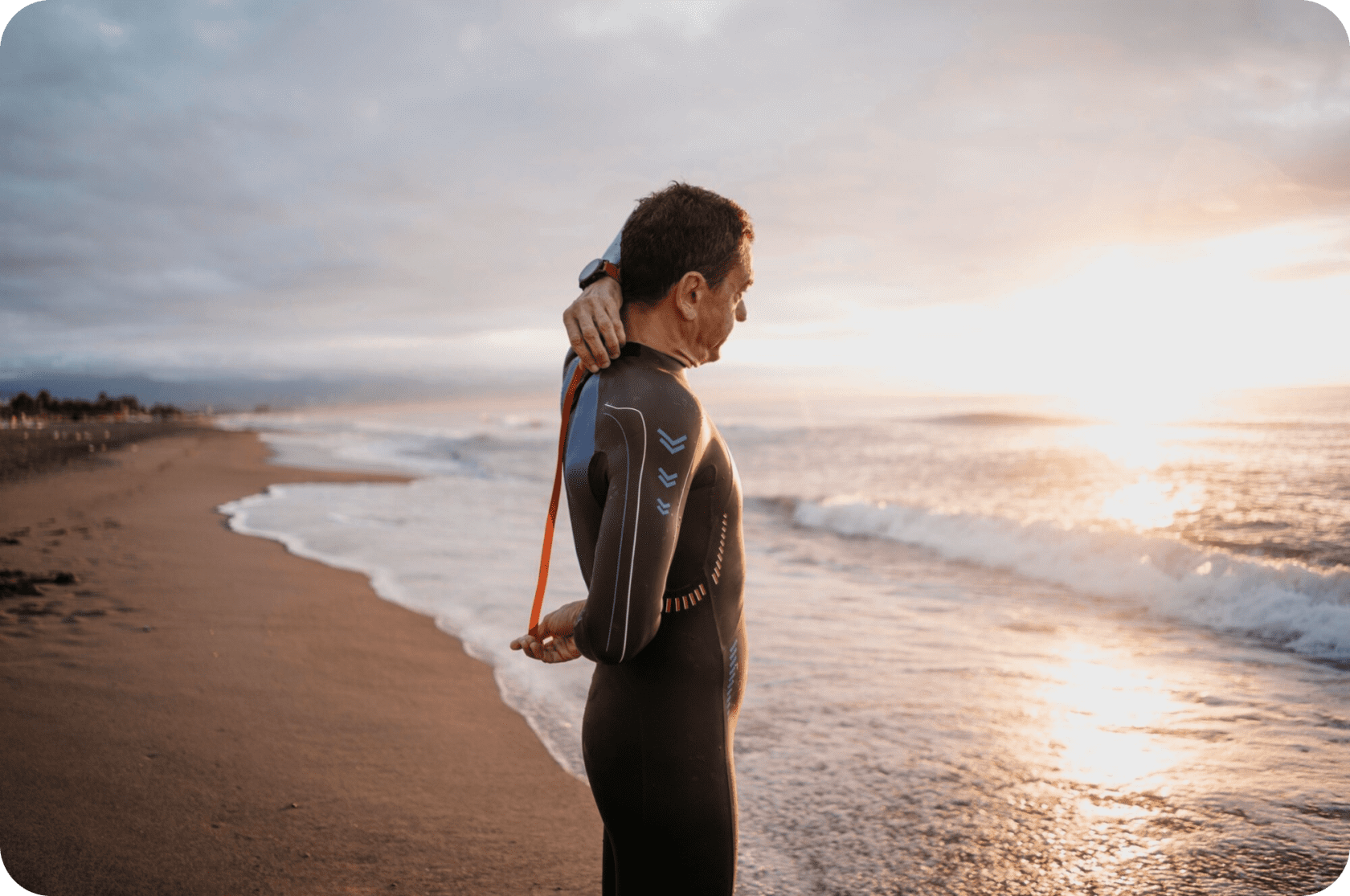
- Wetsuits are usually required when water temperatures drop below about 24°C (75°F), but rules vary by race.
- Some races allow wetsuits in warmer water, while others ban them above certain temperatures.
- A triathlon-specific wetsuit is designed for swimming and quick removal in transition.
- If you only race in cold water once or twice a year, renting or buying secondhand can make sense.
Other small but useful items:
- Race swim cap
This is almost always provided and required. It helps with visibility and swimmer identification. - Optional extra cap
Some athletes wear a thin silicone cap under the race cap for warmth. - Anti-fog spray
A small detail, but swimming without clear vision in a crowded pack is not ideal.
Essential Tri Equipment for the Bike Leg
This is where things can get expensive fast, but it’s also where you’ll spend most of your time in the race. Your bike gear needs to balance three things: performance, safety, and comfort.
Bike basics
- Bike
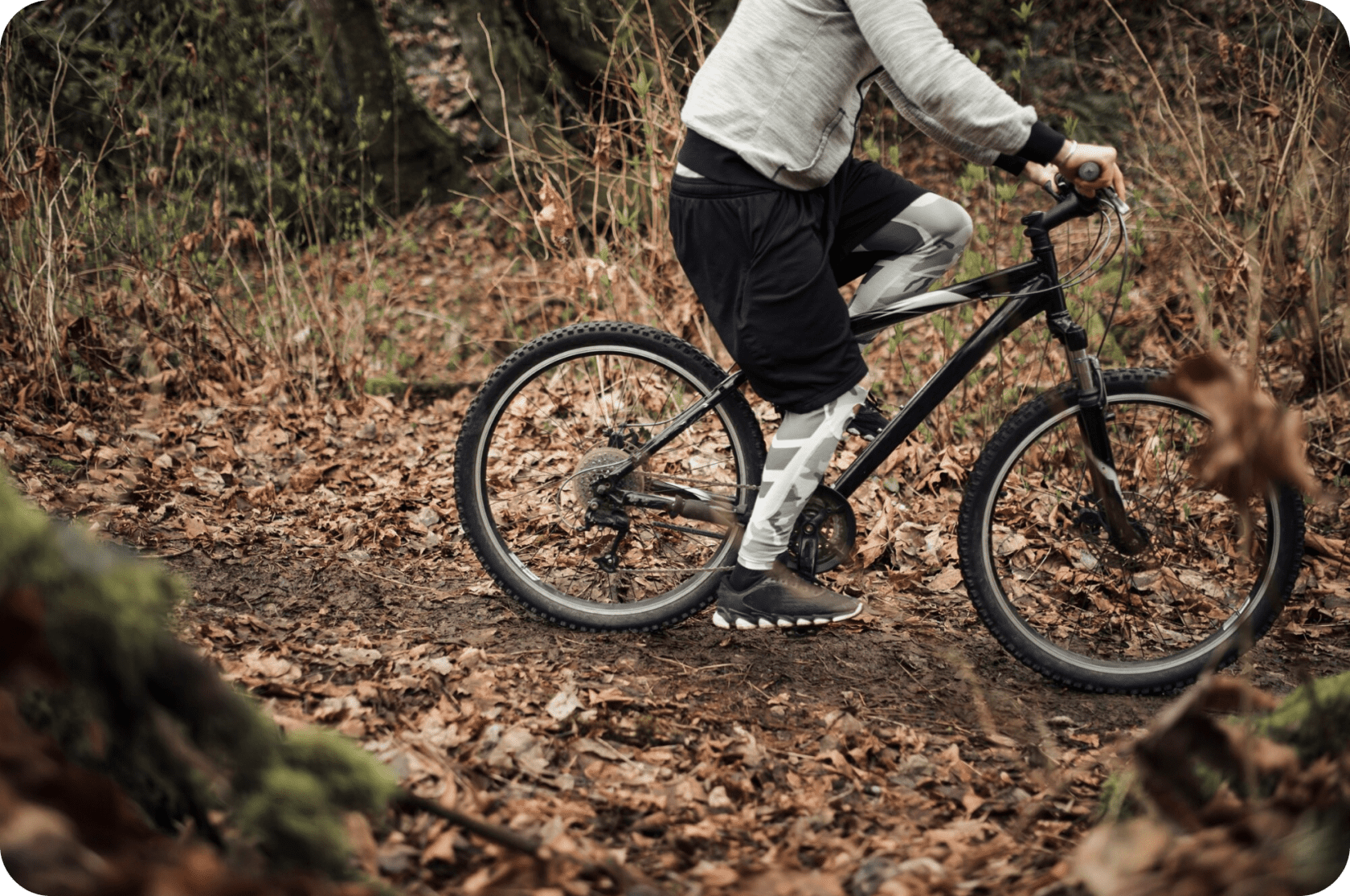
It doesn’t need to be an expensive tri bike. A road bike, hybrid, or even a mountain bike can work for first events if it fits you and functions well. - In many beginner races, the rider makes a much bigger difference than the bike itself.
I’ve seen strong athletes ride past others on basic bikes, simply because they were comfortable and consistent.
Helmet
- Mandatory at every triathlon, no exceptions.
- Must meet safety standards and be undamaged.
- Must be fastened before touching your bike and stay fastened until you rack it again.
- Officials check this carefully, and penalties are strict.
Shoes and pedals
- Cycling shoes improve efficiency but are not required.
- Platform pedals with regular athletic shoes are completely fine for beginners and short distances.
- Clipless systems are best learned in training, not on race day.
Hydration
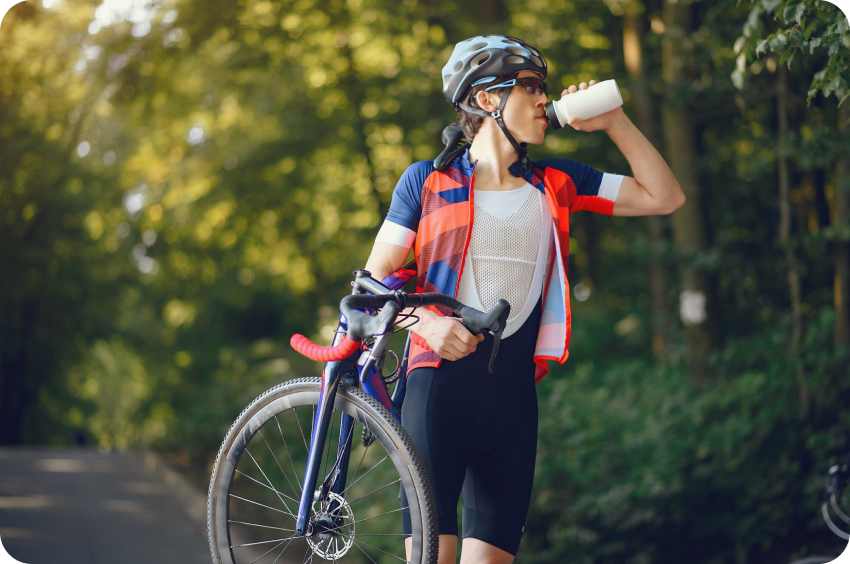
- Water bottles and cages are essential.
- Most bikes can carry at least two bottles.
- Even with aid stations, having your own water lets you drink when you need to.
Basic bike repair kit
- Spare tube
- Tire levers
- CO₂ cartridge or mini pump
Flat tires happen. Being able to fix one often means the difference between finishing and stopping. Practicing at home helps more than most people expect.
Optional but helpful
- Bike computer or GPS watch
Useful for pacing and strategy, especially in longer races.
Essential Running Gear
After you’ve swum and biked, your legs are going to feel different from how they do on a normal run. The right gear helps you finish strong even when you’re tired.
Running shoes
Running shoes are your most important running item. So make sure these are the shoes you’ve trained in many times. Because race day is not the moment to test something new.
Some athletes choose lighter shoes for racing. And one more important thing to notice is that feet can swell, so fit and lacing matter.
Race number belt
- Makes wearing your bib much easier.
- Number faces back on the bike, then rotates forward for the run.
- Simple, inexpensive, and very practical.
Socks
- Optional and very individual.
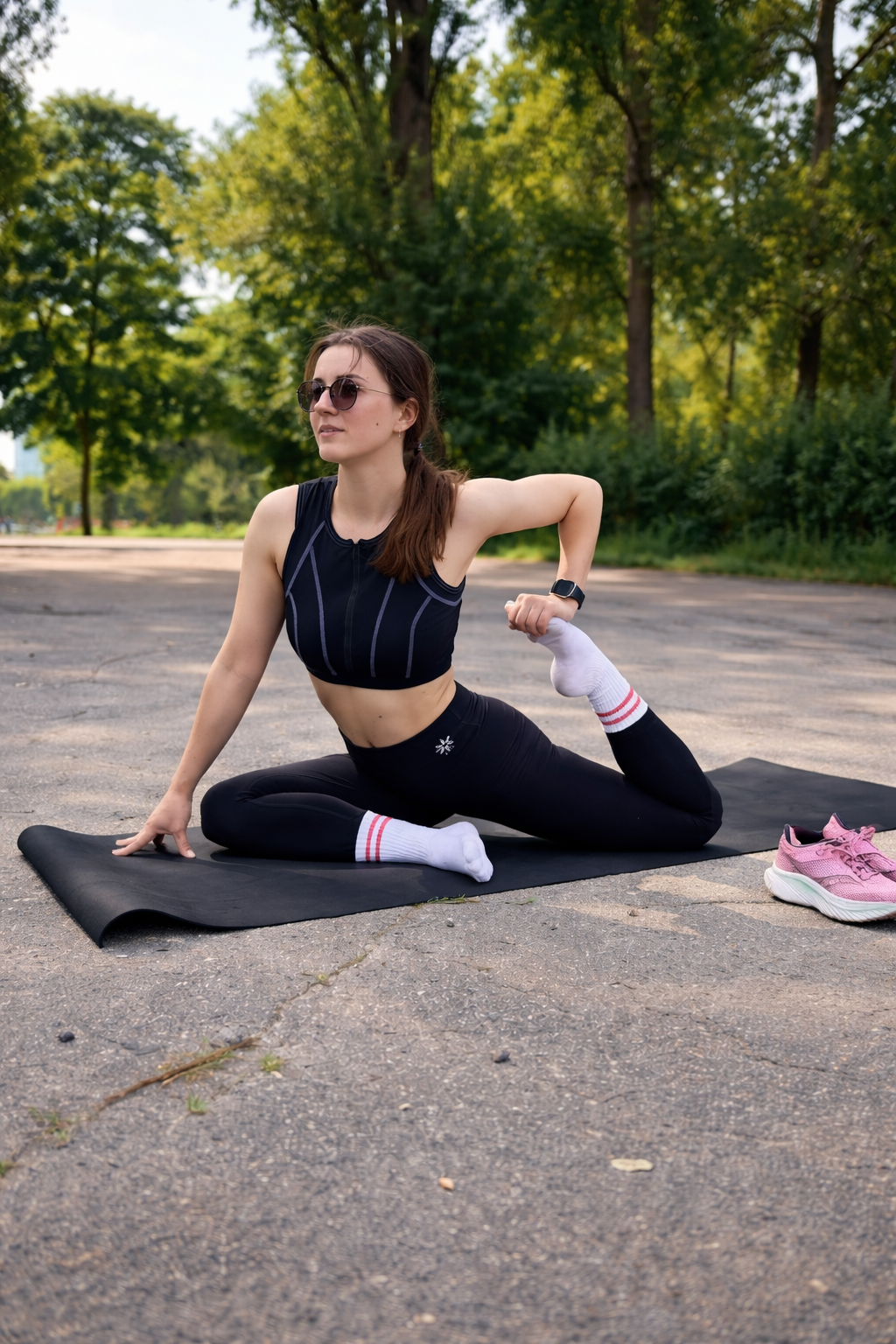
- Some athletes race without them, others always wear them.
- For longer distances or sensitive feet, socks can prevent blisters.
- Best tested in training, not decided last minute.
Headwear
- Hat or visor helps with sun protection.
- Keeps sweat out of your eyes.
- In hot races, soaking it at aid stations can help with cooling.
Triathlon Suit as an All-in-One Solution
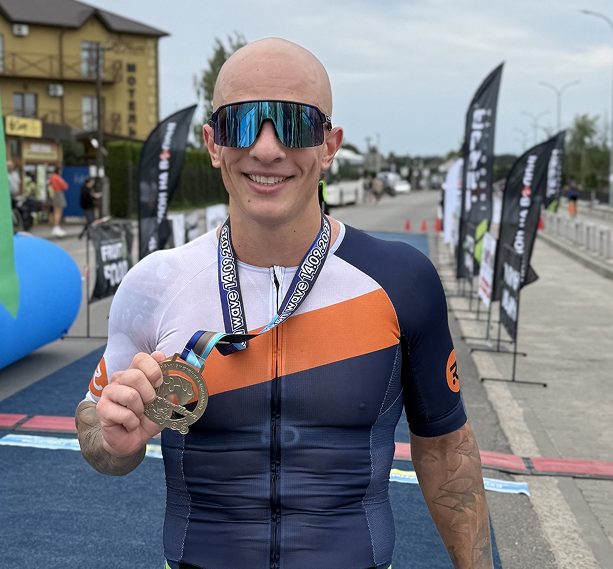
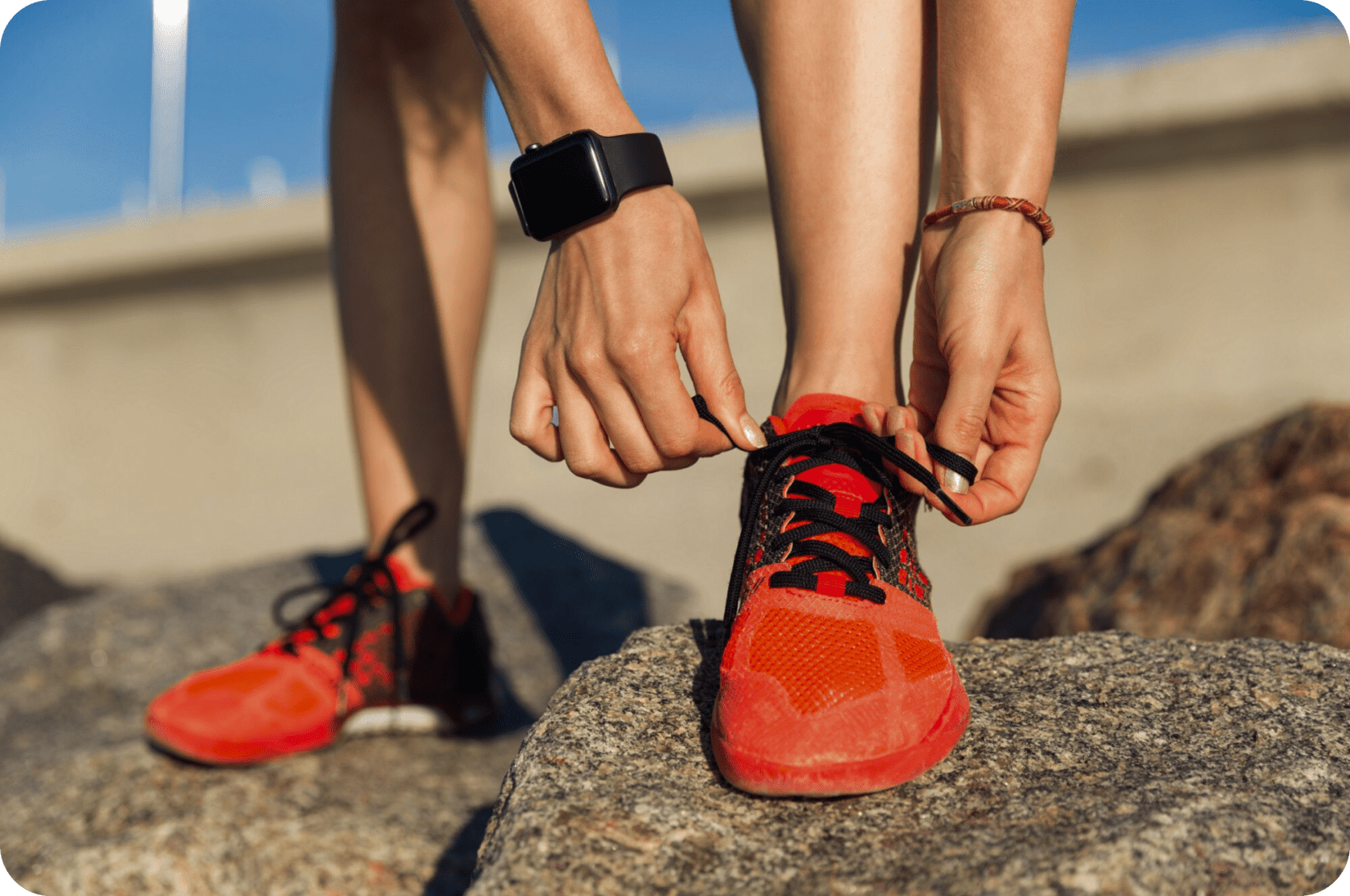
A triathlon suit is probably the single best investment you can make for multisport racing. It’s designed to be worn for all three parts of the race, which means no clothing changes in transition, and you save valuable time.
They come in one-piece and two-piece versions. One-piece looks kind of like a swimsuit with longer legs, while two-piece gives you a tri top and tri shorts. Both have a thin chamois, which is padding that gives you some comfort on the bike without staying soaking wet during the swim or feeling bulky when you run.
The fabric dries quickly and wicks away moisture, and this matters more than you might think. I remember my first triathlon, where I just wore regular running shorts. They stayed wet and heavy for the entire bike portion. Not comfortable at all. A proper tri suit eliminates that problem.
You don’t need an expensive one to start. Even basic tri suits give you the main benefits of quick-drying fabric and appropriate padding. As you do more races, maybe you’ll want extra features like more pockets for nutrition or different compression levels, but those can wait.
Additional Clothing Essentials
Beyond your tri suit, a few other triathlon-specific clothing items can improve your race depending on the conditions.
Sunglasses protect your eyes while biking and running, cutting down glare and keeping stuff out of your eyes. Most athletes prefer sports-specific sunglasses that stay put and won’t bounce around. Some people use photochromic lenses that adjust to different light conditions.
Arm warmers or leg warmers give you flexibility when the weather’s unpredictable. They’re easy to take off if you warm up during the race, and you can just stash them in a pocket. In spring or fall races where mornings are cool but afternoons get warm, they’re really useful.
A light jacket or vest might be necessary for cold-weather racing, though check your specific race rules about what you’re allowed to wear.
Transition Area Essentials
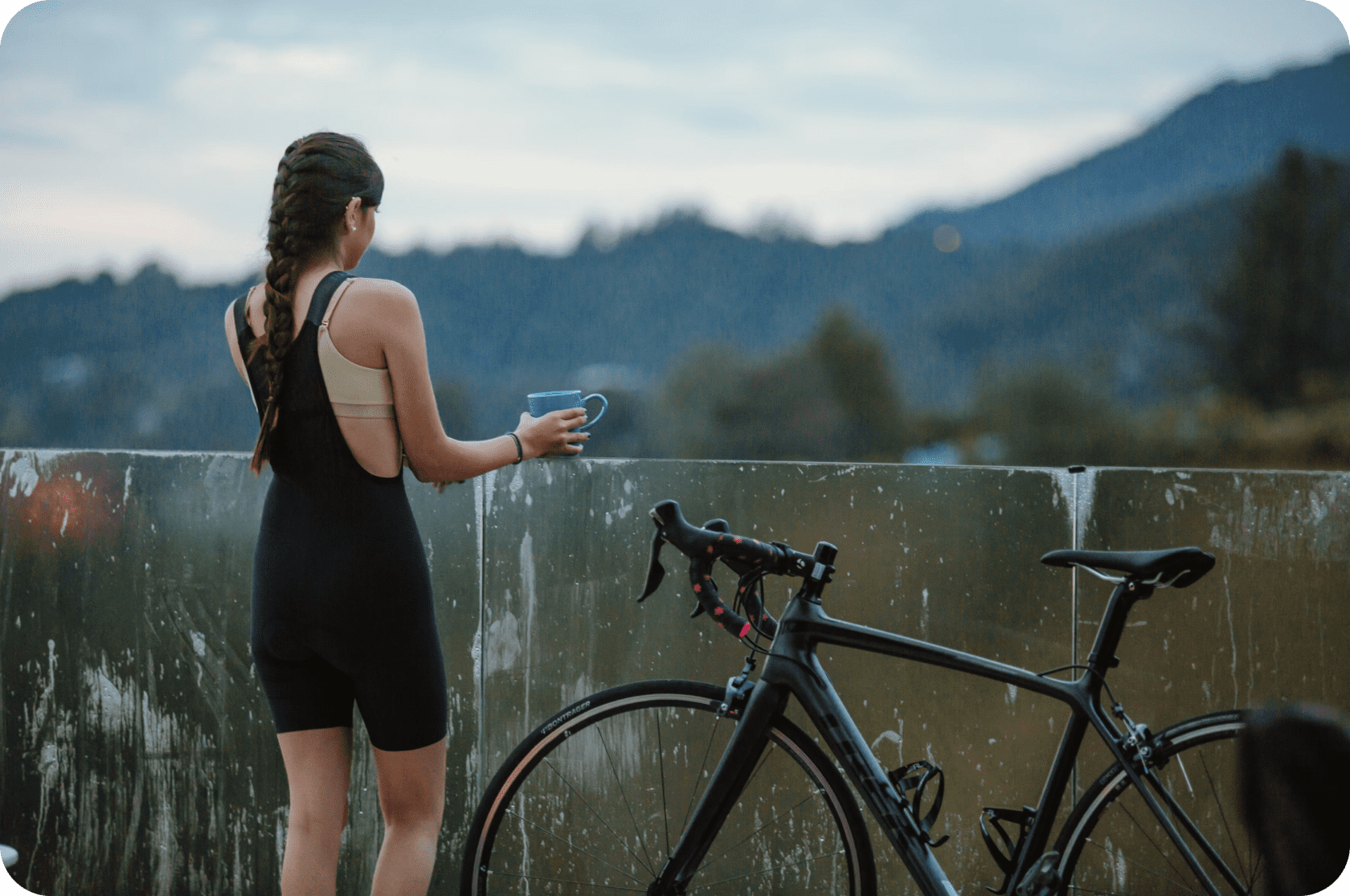
Transition gets called the fourth discipline of triathlon, and having the right small items makes everything run so much smoother.
- A transition mat or small towel gives you a clean spot to step on, and it helps you find your space quickly when you’re coming in with dozens of other bikes all around you.
- Elastic laces for your running shoes save time and mean you don’t have to tie laces with tired, possibly shaky hands.
- A towel for drying off after the swim helps you get into cycling shoes more easily, and it’s just more comfortable.
- A plastic bag for wet gear after the swim keeps everything else in your transition bag dry.
- Body marking pens are usually provided by race officials who mark your race number on your arms and legs, but some races require you to do it yourself.
Nutrition and Hydration Essentials
Proper fueling can make or break your race, especially as the distances get longer.
- Energy gels, chews, or energy bars give you quick fuel during the race. Practice with different types during training to find what your stomach can handle. I learned this the hard way when a new gel flavor made me feel sick at mile 15 of my first half Ironman.
- Electrolyte drinks or tablets help get back what you’re losing in your sweat. And a whole lot of water isn’t always enough, especially in the heat or during a long, grueling race.
- Salt tablets or electrolyte capsules can stop cramping dead in its tracks, and make a big difference when it comes to staying hydrated, especially if you’re someone who sweats buckets.
The trick with nutrition is to figure out what works for you, and that only comes from testing things out during triathlon training. What works for your training buddy may not work for you, so don’t wait until race day to try something new.
Safety and Protection Gear
Sunscreen is a must-have for any long outdoor race. Put it on thick before you go and consider slapping on some more in transition if it’s a long event, and look for something that resists water pretty well.
Chamois cream or anti-chafe balm can be your best friend when it comes to avoiding misery from chafing, especially in the areas where your tri suit likes to rub you the wrong way. A little preventative care can really pay off.
First aid basics, like a few Band-Aids and some good blister treatment, can be a real lifesaver; hopefully, you won’t need to use them, of course.
How to Choose the Right Equipment & Mistakes to Avoid
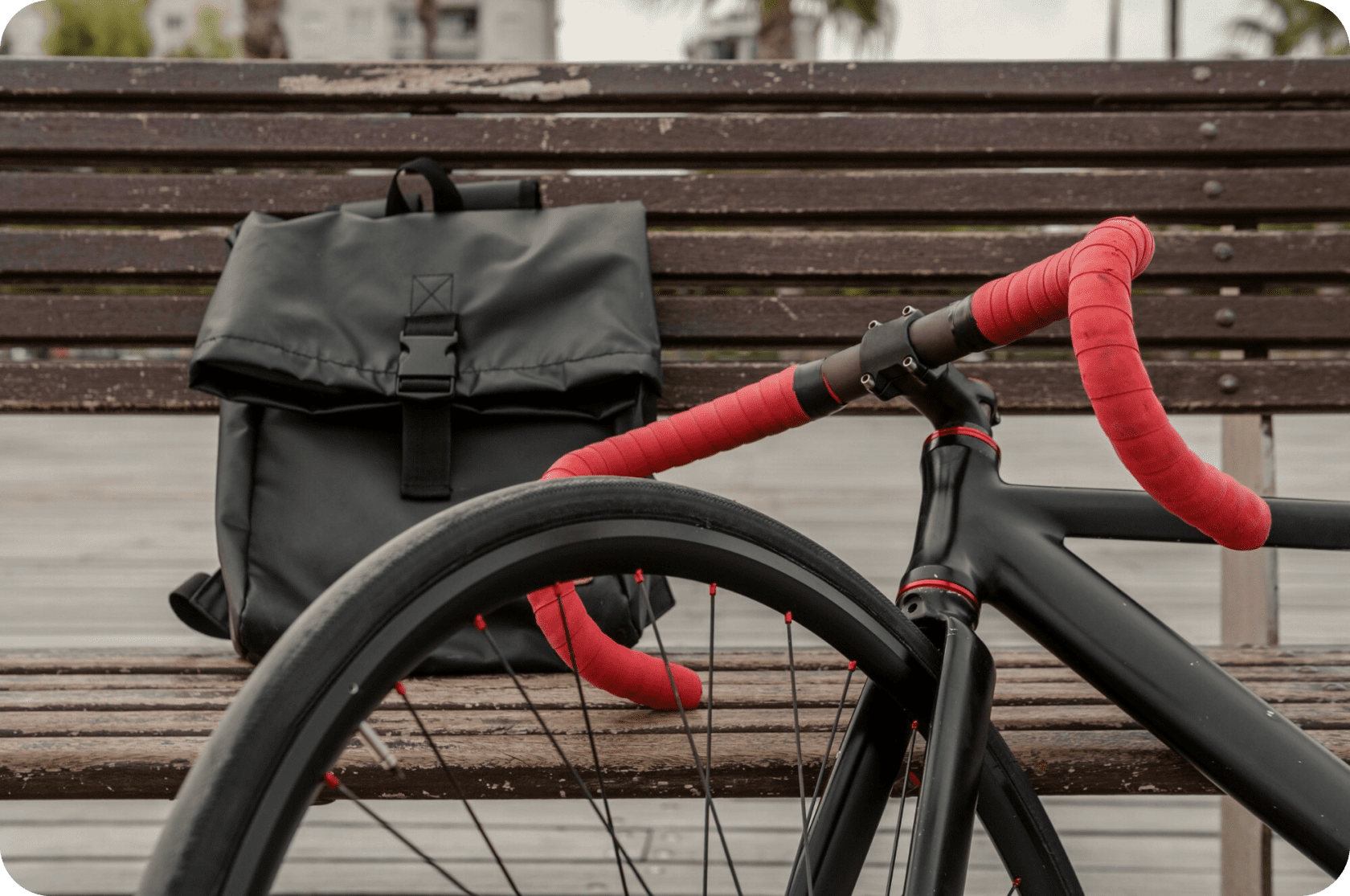
When you’re new to triathlon, the temptation to go out and buy all the gear you’ll ever need is a pretty strong one. That’s the common mistake beginner triathletes make. I’d say resist that urge and build your gear collection gradually based on actual experience.
For your first tri race, focus on the absolute essentials: a bike that actually works for you, a helmet that meets the safety standards, swim goggles that don’t leak all over your face, some decent running shoes you’ve already worn in training, and just the bare minimum of basic kit bag.
If you’re in for a cold water swim, add a swimming wetsuit if you can afford it, but consider renting one first, maybe even repeatedly, until you can decide if it’s worth the investment. You’ll get a feel for what works and what doesn’t. This is more than enough to see you through a sprint or Olympic distance triathlon with your safety and comfort intact.
As you gain experience, you’ll figure out what matters to you personally. Maybe you discover that clipless pedals really do improve your cycling, or maybe a GPS watch helps you pace better. These additions should come from understanding your own needs, not from what someone else insists you must have.
The key difference between the gear of a beginner and a top-level triathlete is usually all about fine-tuning and tweaking rather than doing everything to perfection. Yeah, both will need a helmet, but the seasoned pro is going to plump for one that reduces wind resistance a bit more. They’ll both need some form of nutrition, but the veteran pro will have spent ages figuring out exactly what to eat, when to eat it, and what specific products to use to get the edge they need.
What Equipment Is Mandatory on Race Day
Race rules vary a bit by organization and location, but some requirements are pretty much universal.
Mandatory items checked by officials and race organizers:
- CPSC/EN-approved helmet (must be fastened when on or near your bike)
- Appropriate swim attire (sometimes wetsuits are required in cold water)
- Race number visible during bike and run
- Your assigned timing chip (usually provided at packet pickup)
Items required by most races:
- Goggles (technically, you could swim without them, but seriously, don’t)
- Closed-toe shoes on the bike in most events
- Appropriate coverage (no swimming or running nude, obviously)
Often prohibited:
- Headphones or earbuds during the race
- Outside assistance beyond designated aid stations
- Glass containers
- Wetsuits in warm water (usually above 24-26°C, depending on the race)
Always read your specific race guidelines. Some events have extra requirements, like specific colored swim caps for different age groups or restrictions on equipment types. The race website and athlete guide will have complete details, and it’s worth reading them carefully.
FAQ About Essential Triathlon Equipment
What Is the Most Essential Triathlon Equipment for Beginners
When you’re brand new to triathlons, it’s actually amazing how little you need to get going. A bike that works (and a helmet to match), some decent goggles to keep your eyes clear while you swim, running shoes that you’re already used to wearing, and some comfy clothes to keep you warm. A tri suit would be ideal, but let’s be real, just wearing a swimsuit with shorts and a top is a totally fine way to go for your first race.
Do I Need a Triathlon Bike for My First Race?
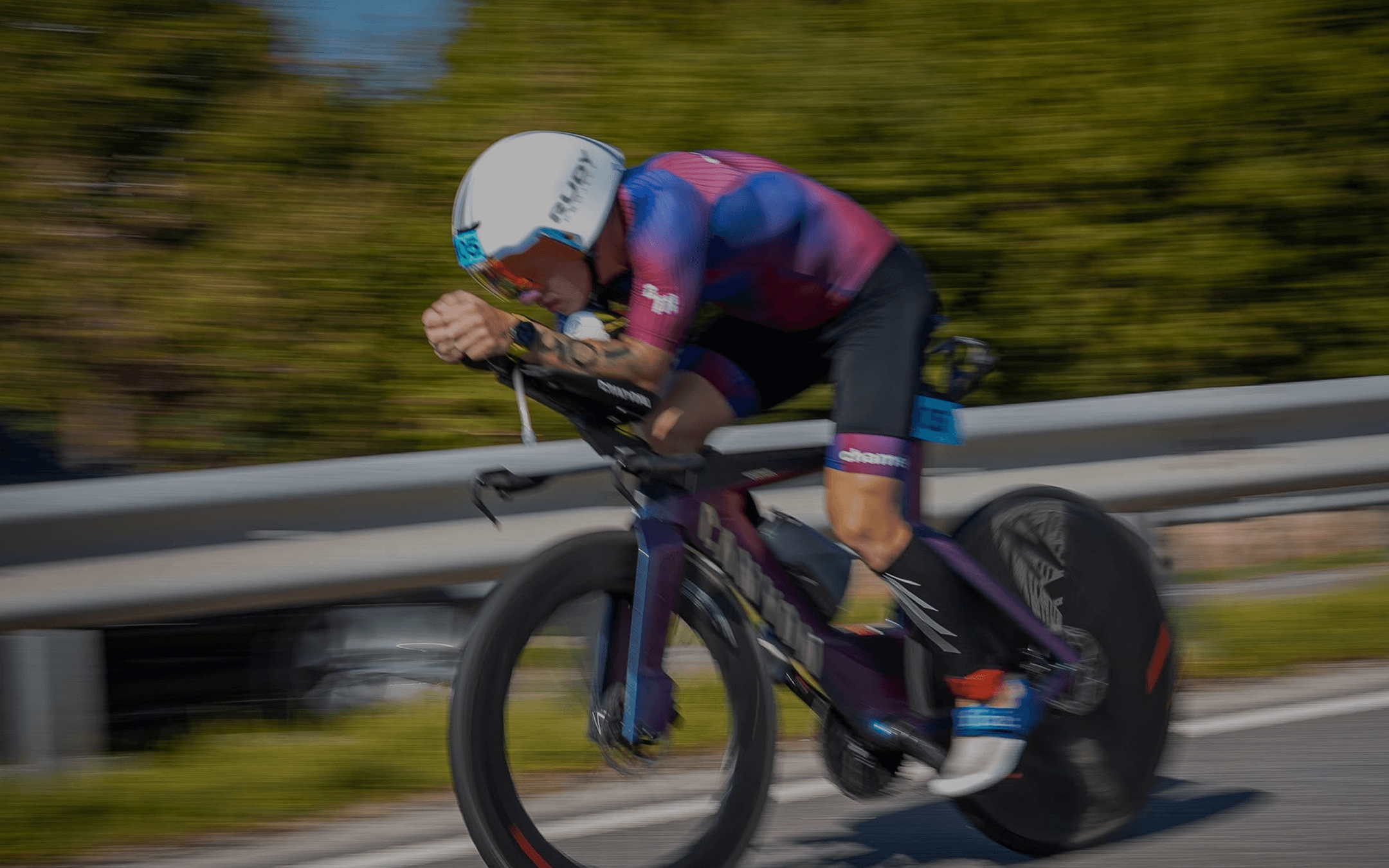
No, definitely not. A triathlon-specific bike (also called a time trial or TT bike) is designed for aerodynamics and speed, but it’s not essential, especially when you’re beginning. Most first-time triathletes use a road bike, and plenty use mountain bikes or hybrids.
Can I Use the Same Gear for Training and Race Day?
Now, it’s true that a lot of the time, races will chuck in some essentials, and the specifics do vary event by event. You can usually rely on them to provide the basics: a swim cap, a timing chip to keep track of how well you’re doing, a race number to attach to your gear, and maybe some water or snacks to grab on the fly at aid stations. Some, but not all, events will also provide extras like bike tech support, a trailer to stash your gear, or a spot to grab a bite to eat after the event. But the thing is, you’re entirely responsible for your own gear, so it’s worth taking a look at the overall athlete guide ahead of time.
What Triathlon Equipment Is Usually Provided at Races?
Races typically provide certain items, though this varies by event. Most races provide the basics like a swim cap, timing chip, race number, and water or simple nutrition at aid stations, plus body marking before the start. Some events also offer extras such as bike support, changing tents, or post-race food, but this varies a lot. Personal gear — your bike, helmet, shoes, wetsuit, and preferred nutrition — is always your responsibility, so it’s worth checking the athlete guide in advance.
Conclusion: How to Build Your Essential Tri Equipment Kit?
The most basic equipment does three pretty crucial things: keeps you from getting hurt, lets you finish the race without total exhaustion, and, of course, follows the rules. All that extra stuff is just fine-tuning, and that’s where getting creative comes in, but first, get the must-haves covered.
As you’re getting ready for the big day, whip out a checklist and keep going over it in your head a few times. Lay out all your gear the night before, double-check that your bike is in good working order, and make sure you’ve got all the right snacks and that they’re easily accessible. The feeling of knowing you’ve got everything covered is almost as valuable as the gear itself.
But most importantly dont let all the gear worries get in the way of why youre in this in the first place . The triathlon’s all about pushing yourself and growing as an athlete. Your gear’s just there to help you along, not define who you’re trying to be. Keep things simple to start, learn as you go, and just enjoy the ride of becoming a triathlete.